Fort Sill is located in Southwest, Oklahoma and forms the economic basis of the surrounding city of Lawton – the third largest metropolitan area in Oklahoma (after Oklahoma City and Tulsa). The location often conjures negative memories in the minds of many soldiers due to their Army Basic Training memories (Note: Basic Training also occurs at Fort Benning, Fort Jackson, and Fort Leonard Wood). As the primary training location for Field Artillery and Air Defense Artillery students, trainees are subjected to extreme weather conditions in Tornado Alley with temperatures ranging from a January average low of 24 degrees Fahrenheit to a July average high of 96 degrees Fahrenheit. While the installation may not be considered a premier duty assignment, below are a few sites of interest during my visit in August 2022 that may help one get through their tenure here.
1.) Indian Wars Origin
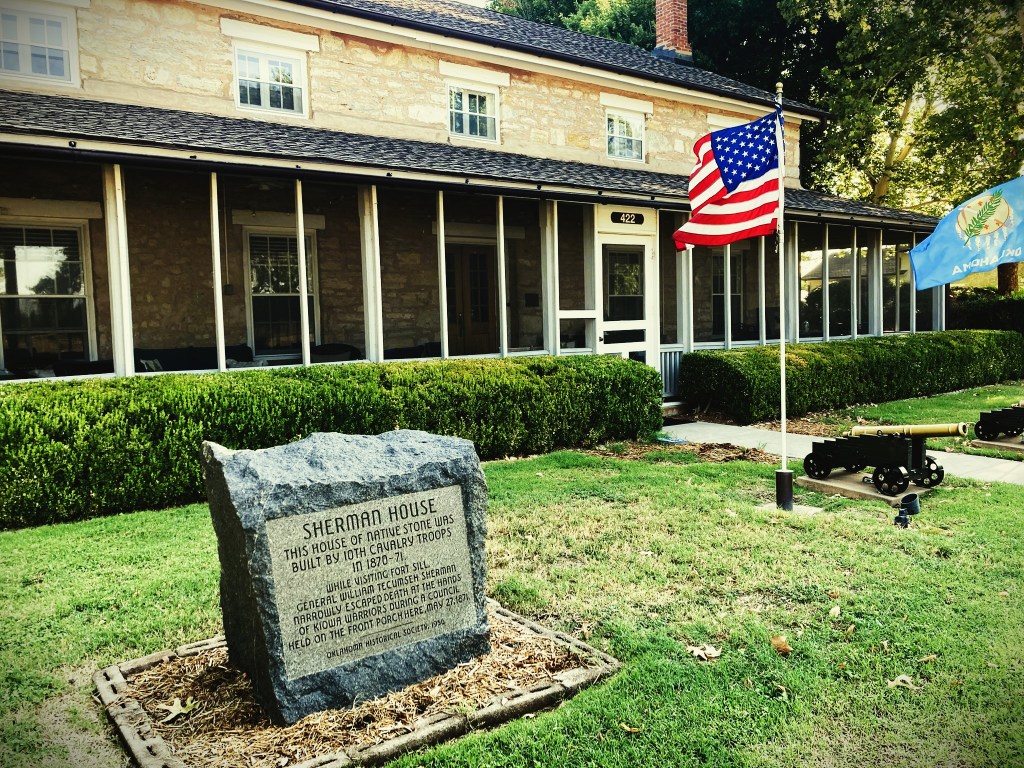
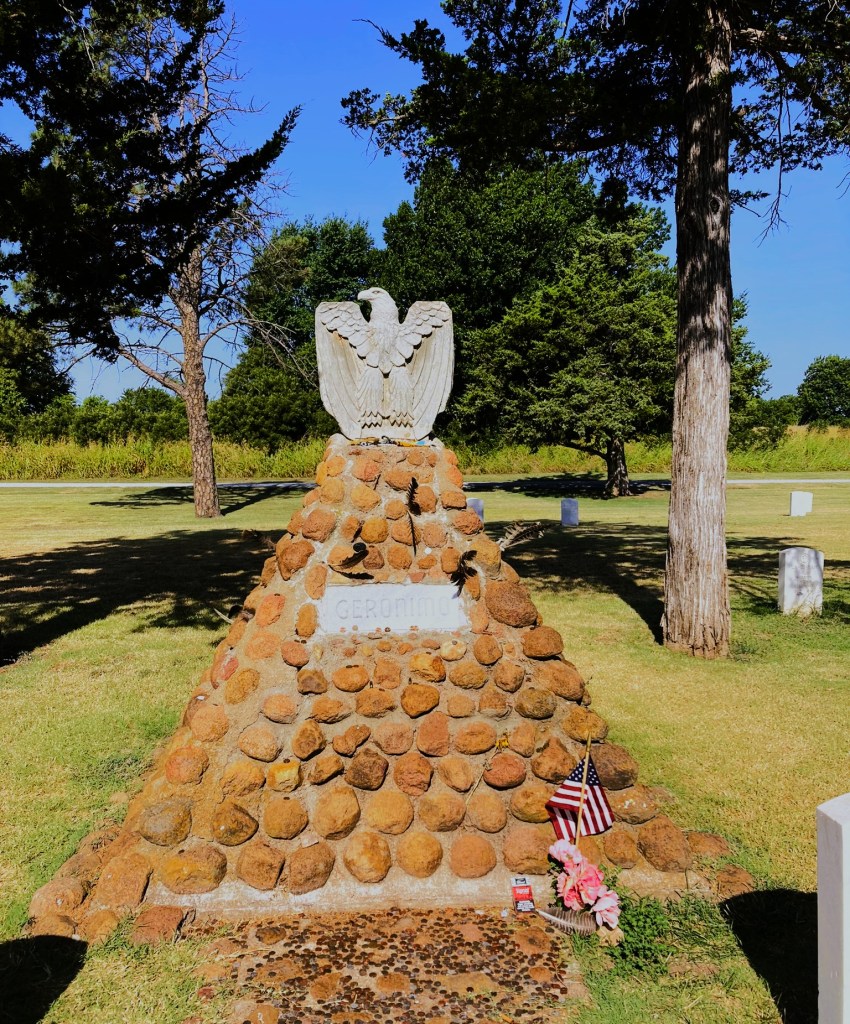
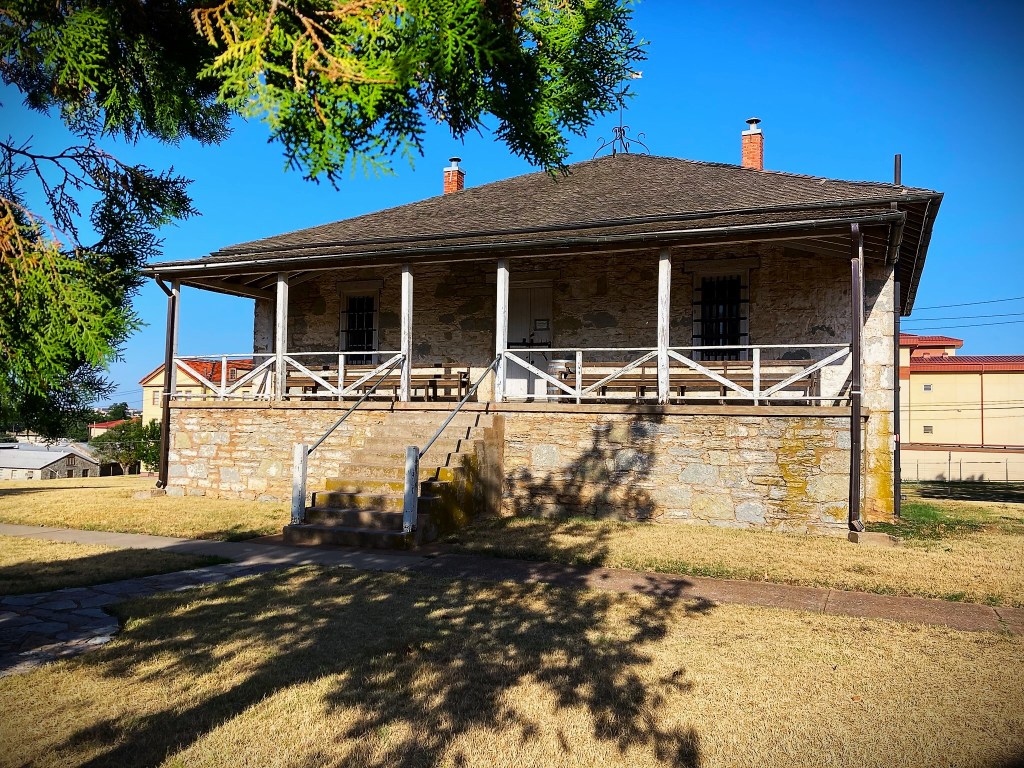
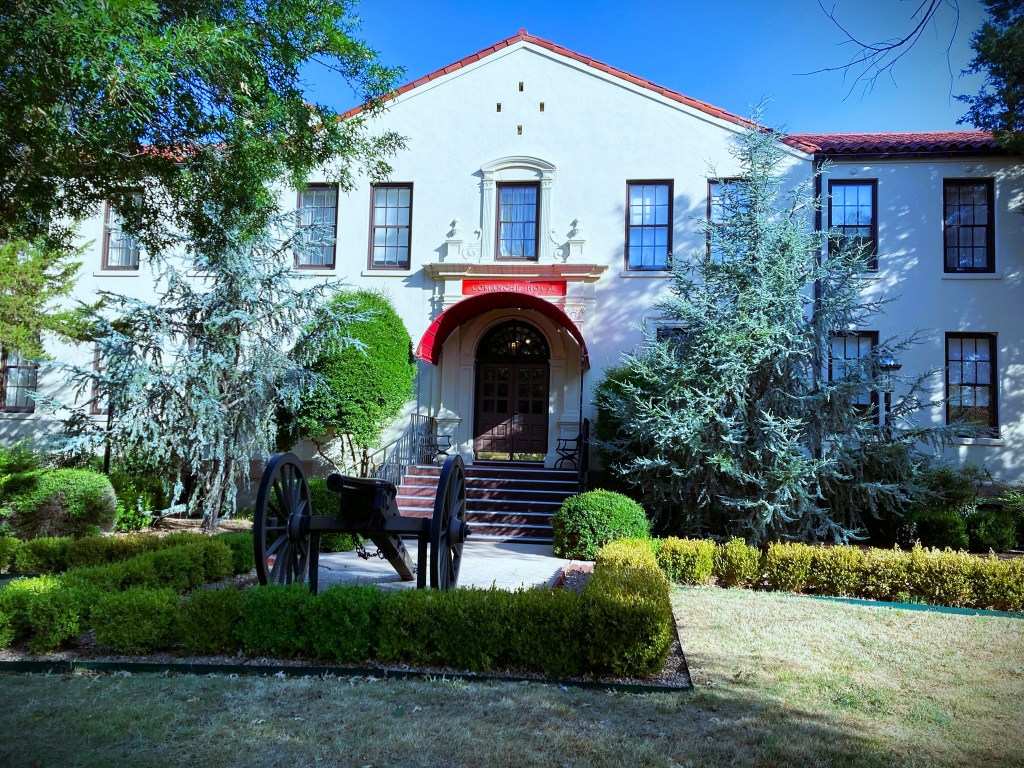
The Fort was first established in 1869, 40 years before Oklahoma became a state while the former “Indian Territory” was still closed to white settlement. As the only surviving Frontier Fort of the Great Plains, it served to “protect” settlers from Native American armed incursions. As the only semblance of a federal presence in the territory, the installation played a key role in peace negotiations with local tribes, acted as a staging area for troops during the “Indian War” campaigns, and became a primary area for “Sooner” and “Boomer” settlement after the territory was opened settlement in 1901. Visitors can still view 38 historic buildings in the Fort Sill National Historic Landmark at the Old Post Quadrangle – of which 28 having been built by the Buffalo Soldiers. Be sure to swing by the Sherman House where the General of the Army William Tecumseh Sherman was almost assassinated by two Native American Chiefs. After wandering through the old Fort, head to the Fort Sill National Cemetery to honor Ft. Sill’s most famous resident Apache leader Geronimo as well as several other Kiowa, Comanche, and Arapaho chieftains at Chief’s Knoll.
2.) U.S. Army Fire Support
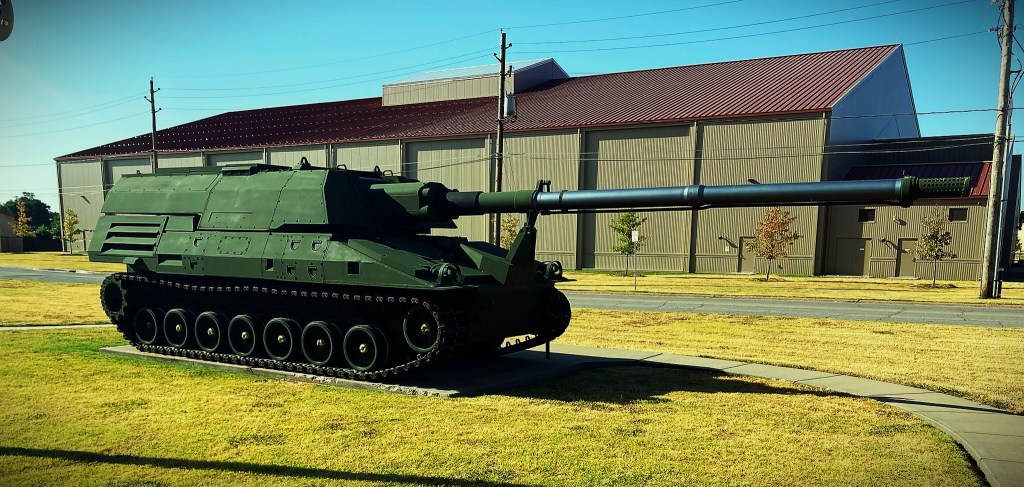
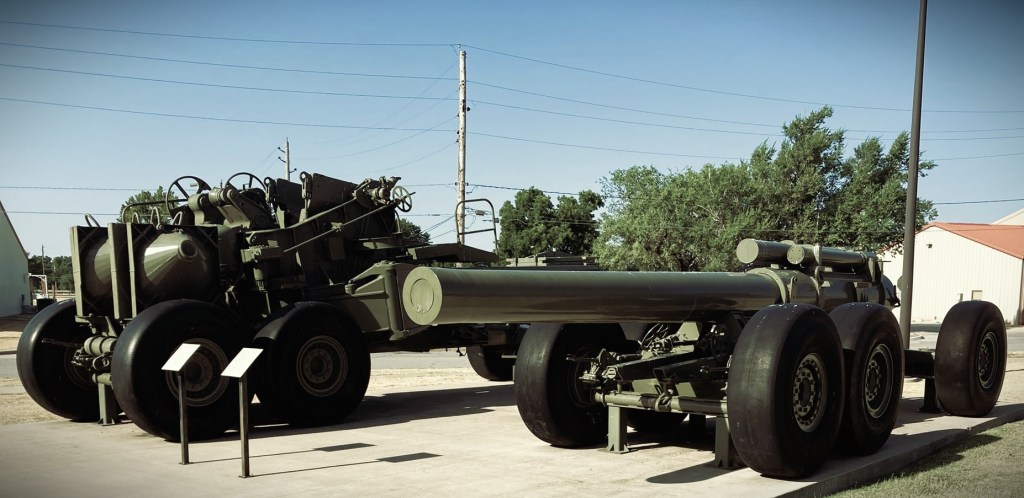
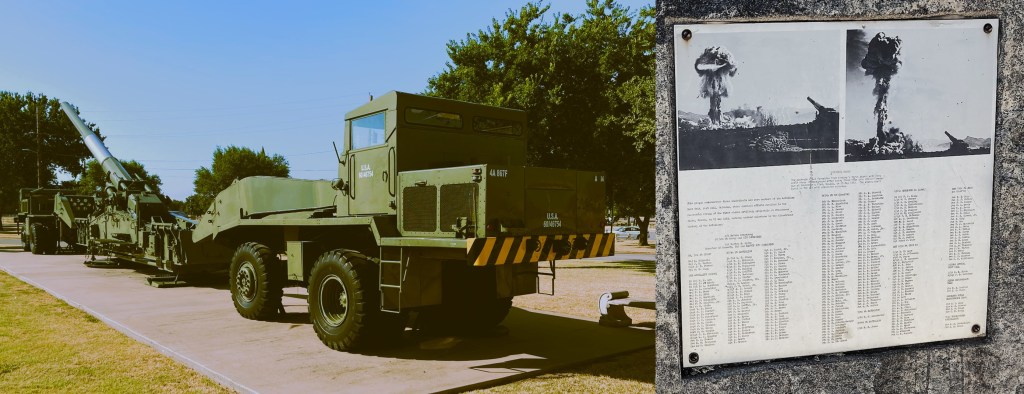
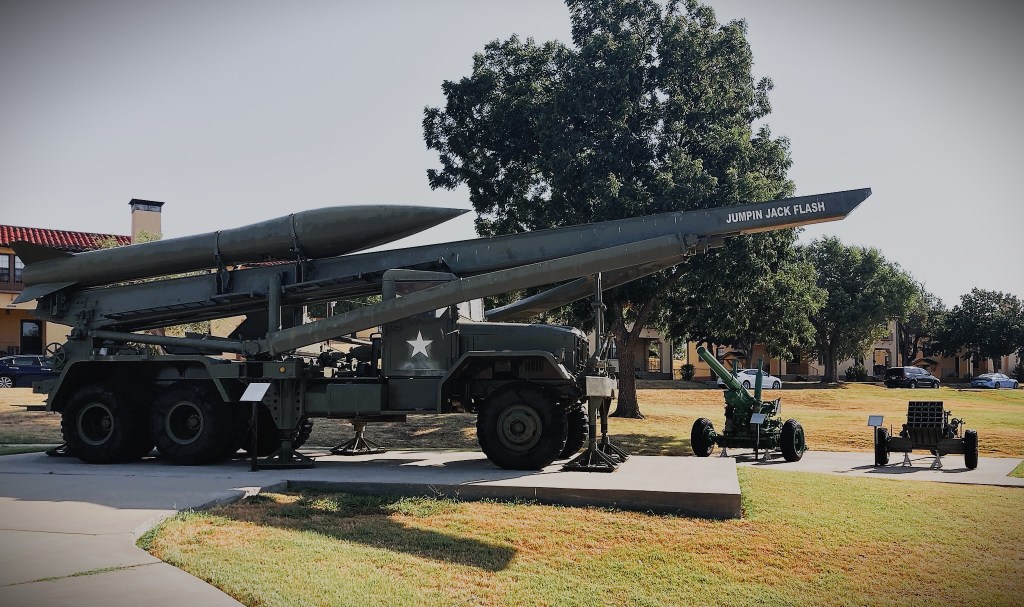
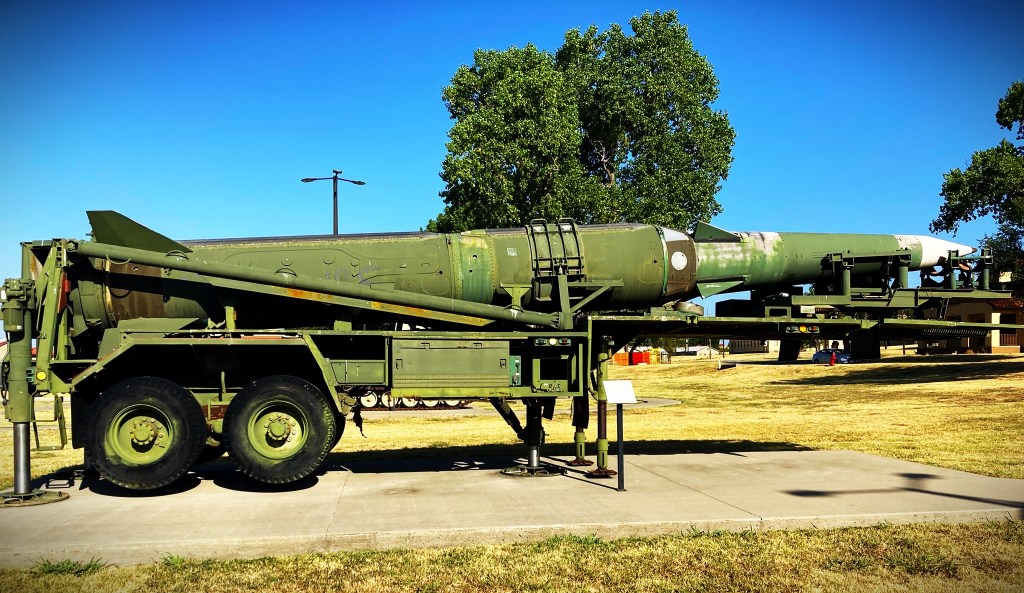
With the closing of the American Frontier in 1890 and the growing obsolescence of cavalry given the invention of the automobile, Fort Sill was at risk of being shuttered. By transitioning the last of its cavalry troops to artillery batteries between 1902 and 1907, the post became the center of U.S. Army Fires. Fort Sill would also become the birthplace of Army Aviation. Given the utilization of the newly invented airplane as a forward observation asset, the first air squadron arrived at Fort Sill in 1915. At the Army’s longest continually serving airfield (Post Airfield), the Fort Sill Aviation Museum Annex is contained within the former airfield’s former Dirigible Hanger. To gain an appreciation of the installations’ “Fire Support” legacy, one would be remiss not to stop by the Field Artillery Museum. Here one can bear witness to the 32 ton howitzer capable of firing a 360lb shell over 14 miles; a rocket capable of being launched from New York to Miami with a payload four times greater than the bombed dropped on Hiroshima; and the only cannon ever to fire a nuclear warhead. These are only a few of the 70 U.S., allied, and adversarial fires systems on display at the museum, but there is so much more to explore.
3.) Wichita Mountains Wildlife Refuge
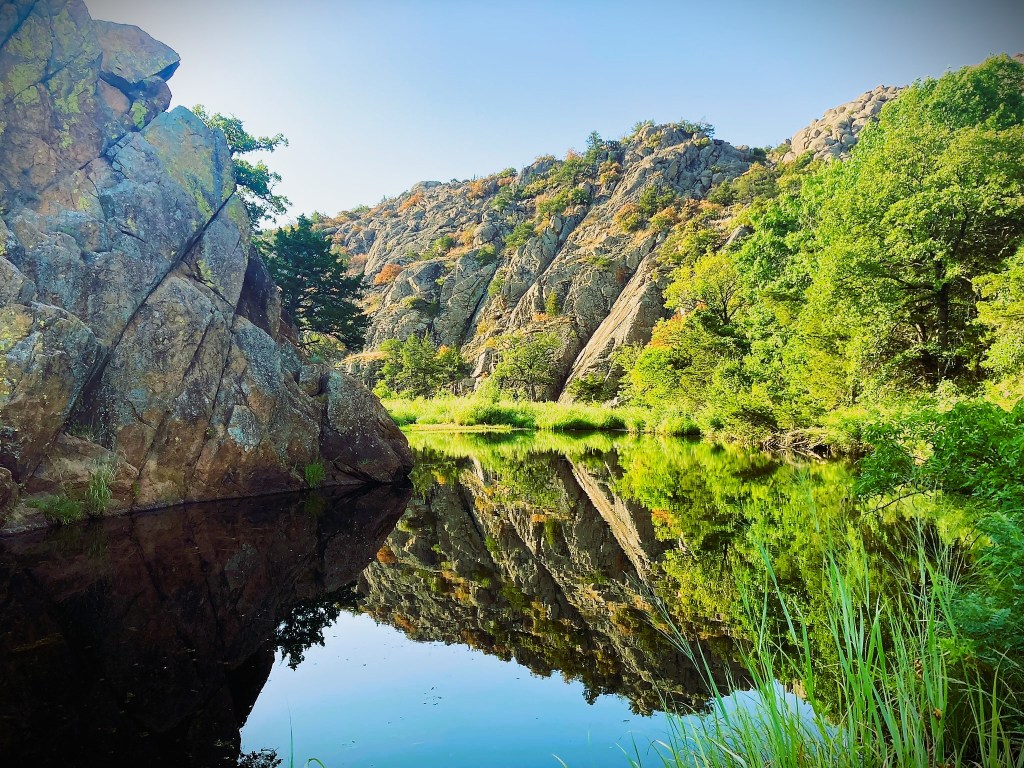
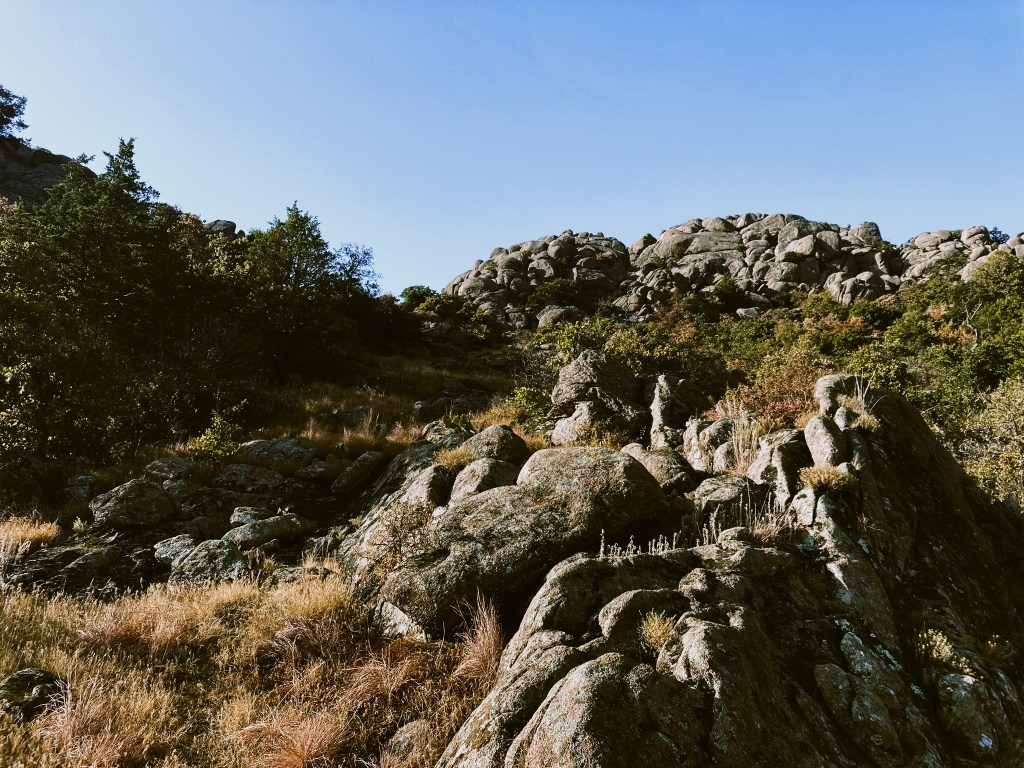
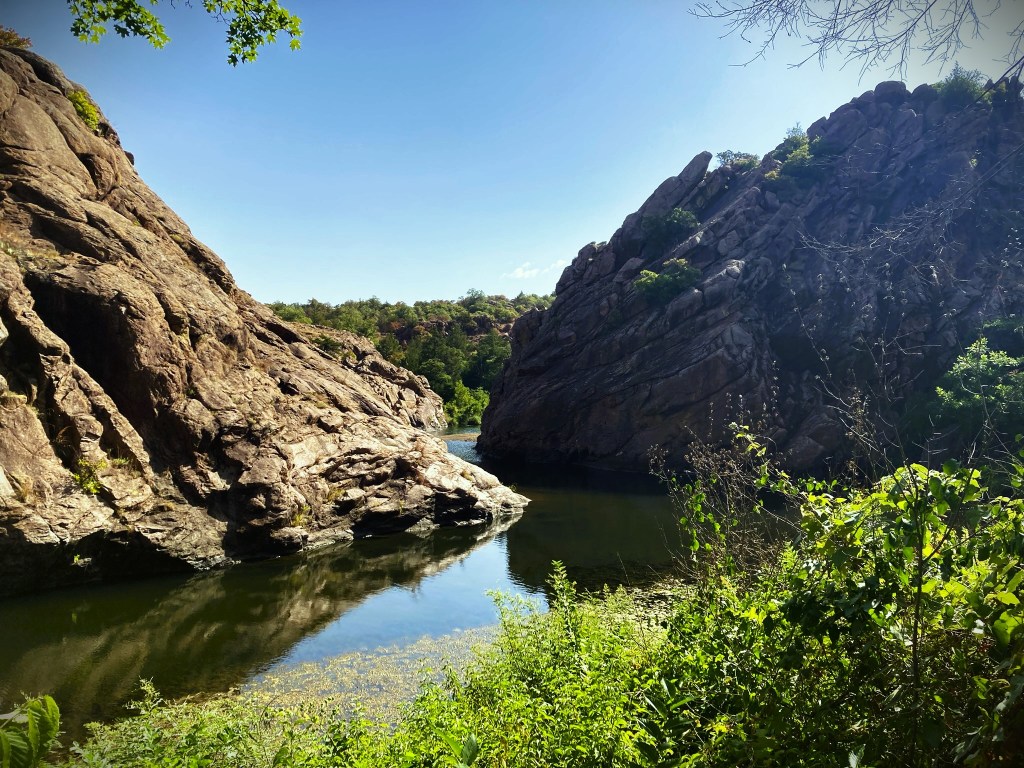
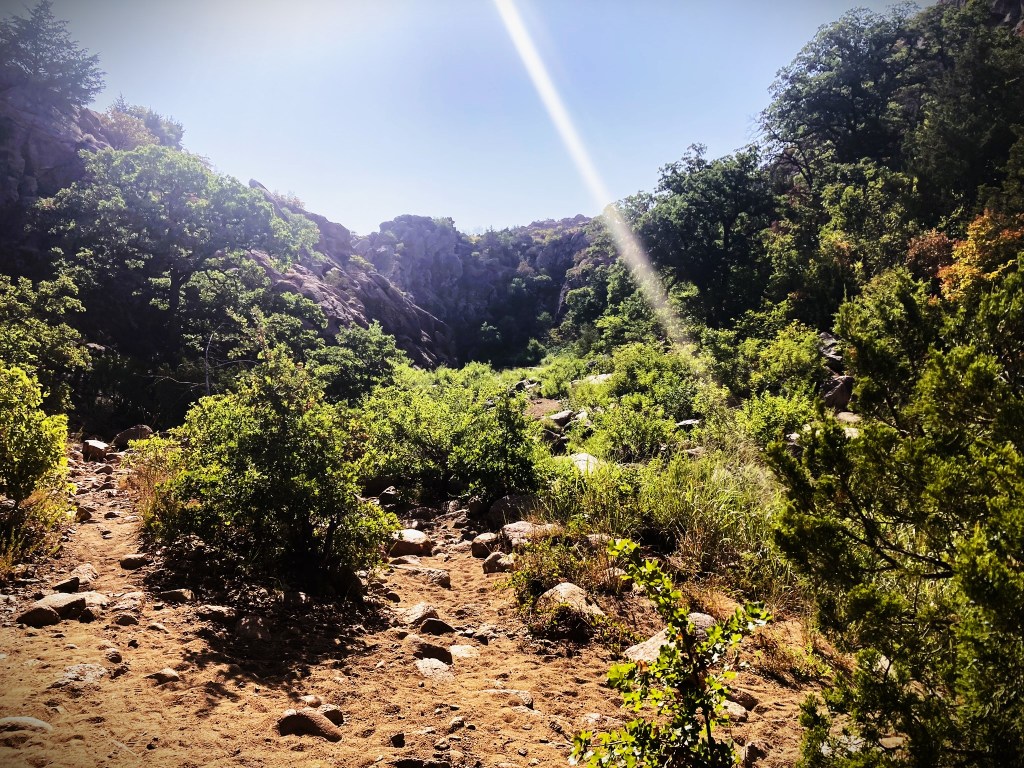
While Fort Sill may be known for its role in Native American resettlement and modernization of the U.S. Army Fires, one of its surrounding attractions is wholly underrated: the Wichita Mountain Wildlife Refuge. Numerous publications have rated the refuge and surrounding environs as one of the top three most beautiful locations in Oklahoma. Located only 25 minutes northwest of Fort Sill, the wildlife refuge is a local mecca for climbers and is also popular with bikers and hikers on its more than 15 miles of trails. As the wildlife refugee was the first location (outside of Yellowstone National Park) used for the reintroduction of buffalo to the Great Plains, spotting one of the 650 bison that roam the refuge is not particularly difficult. While looking for buffalo, it is likely that visitors will also see one of the free range long horn cattle, elk, or prairie dogs that inhabit the region. While Oklahoma is known for wide open flat plains, the Wichita Mountains are definitely worth a visit with areas much more reminiscent of similar areas in Arizona and Utah.
4.) Holy City of the Wichitas
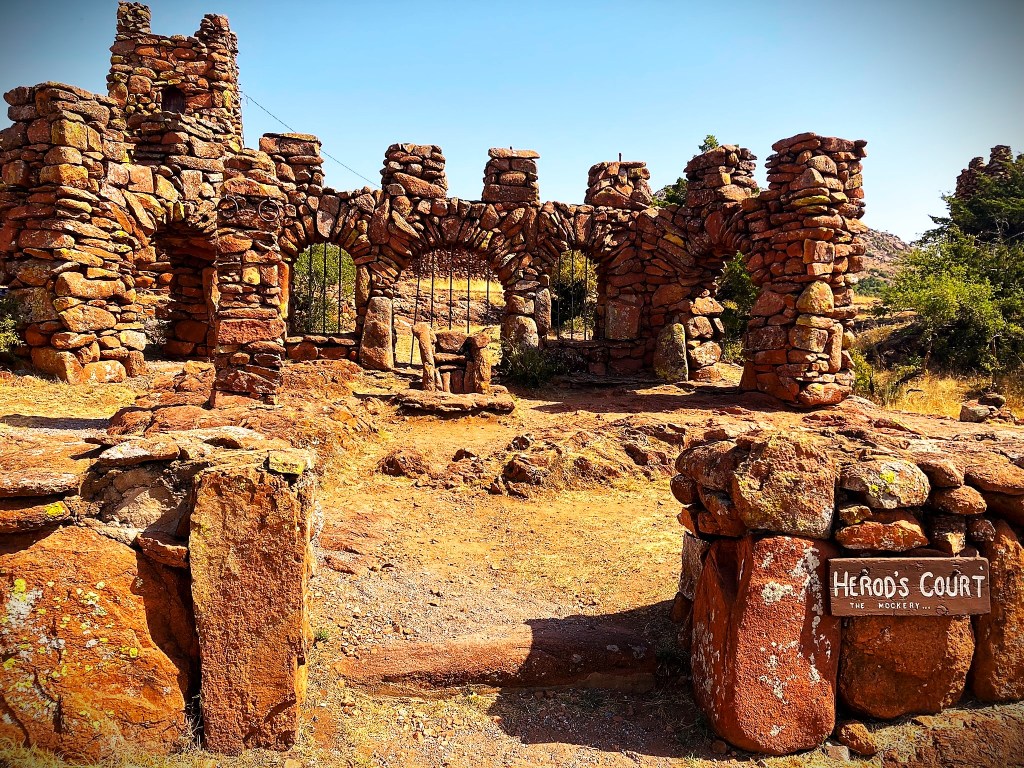
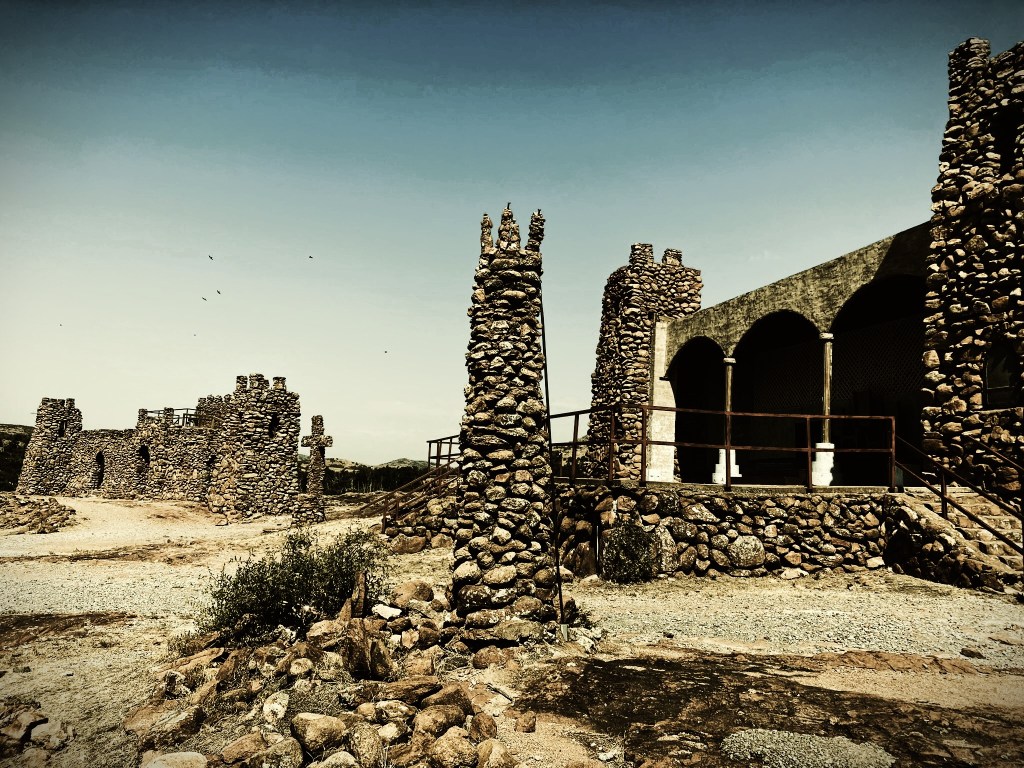
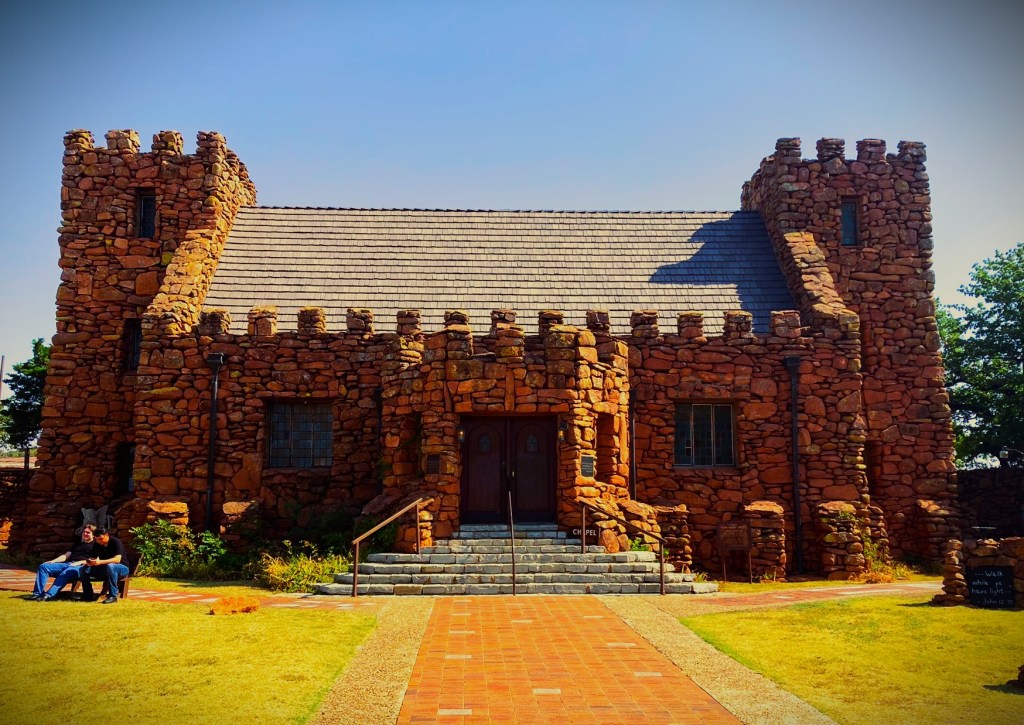
For another surprising attraction located in Fort Sill/Lawton, one need only reference the Holy City of the Wichitas. This is the site of potentially the United States’ oldest outdoor Passion Play having been performed since 1926 and is known as the “Oklahoma Oberammergau” – the World’s most famous Passion Play. The event reached a peak of over 200,000 visitors to the event in 1939 and inspired a later Hallmark Movie: “The Lawton Story”. The venue can still be visited for free having been built in 1934 by the Great Depression-era Works Progress Administration (WPA) and includes different sets including Herod’s Court, Pilate’s Judgement Hall, the Garden of Gethsemane, and the Lord’s Supper Building. If interested, visitors should time their visit for the night before Easter Sunday to bear witness to the several hour long event. As the site sits on federal land co-located with the Wichita Mountains Wildlife Refuge, be sure to combine a hike in the mountains with a visit to the Holy City.
5.) Further Exploration

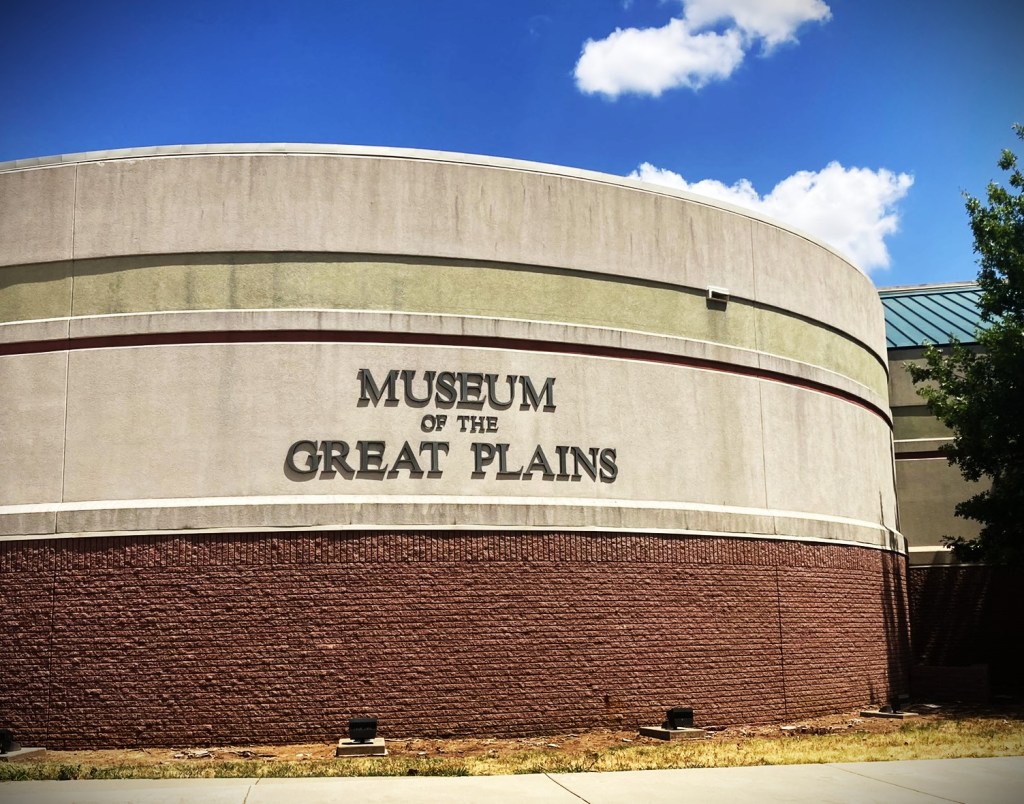
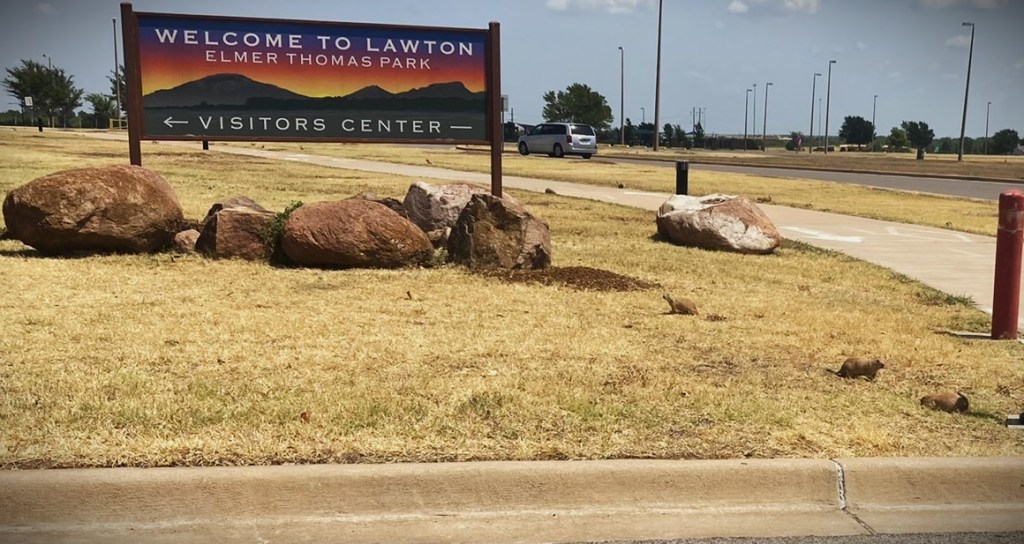
Without risking overselling Lawton, Oklahoma, there are a few other locations that may be worth a visit. The Museum of the Great Plains is ranked as one of the top 10 things to do in Oklahoma and features a variety of interactive exhibits for revealing the life of early settlers in the Great Plains. After stopping by the Museum, visitors can view the prairie dog town in the adjacent Elmer Thomas Park. For lunch, head over to S&B’s Burger Joint for a variety of interesting burgers (including “The King” Bacon and Peanut Butter Burger), pepper jack fried cheese, and ice cream shakes (including the Cosmic Brownie Shake). For day trip ideas, visit the National Weather Center in Norman, OK an hour north; the Oklahoma State Capital in Oklahoma City an 1 hour & 15 minutes away; or the Route 66 Museum 1.5 hours away in Clinton, OK. Suffice it to say, Fort Sill has several spots worth checking out if you find yourself in Western Oklahoma’s largest metropolitan area.
Fort Sill Location
Fort Sill, Oklahoma
– 50 miles North of Wichita Falls, TX (50 minutes)
– 90 miles Southwest of Oklahoma City (1.5 hours)
– 190 miles Northwest of Dallas (3 hours)
Fort Sill Attractions
Additional Photos


Leave a Reply