
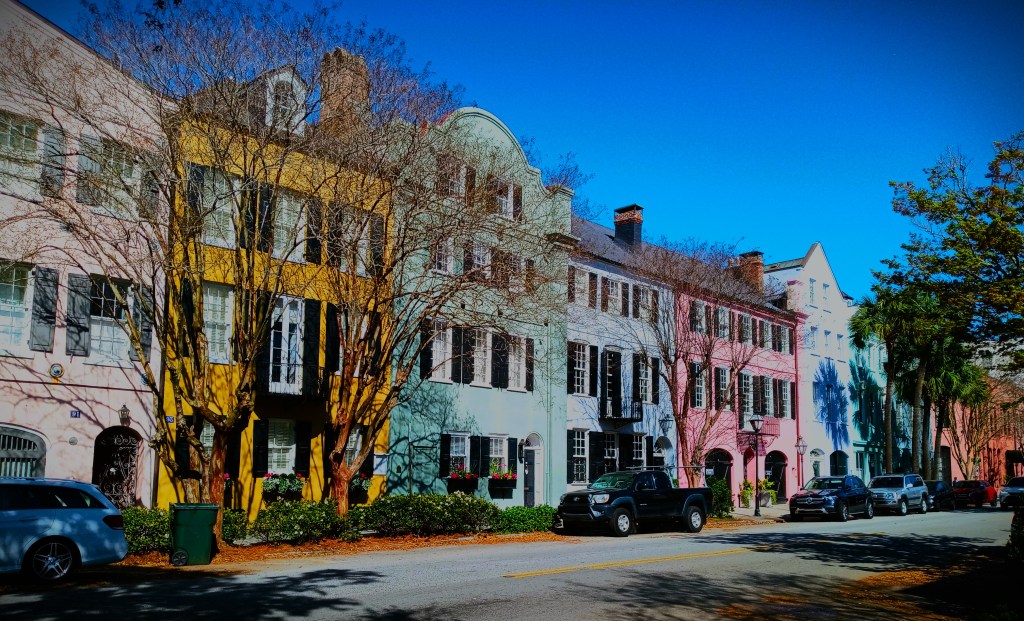
First, an apology is in order: for a city that has been voted Best City in the U.S. by Travel & Leisure for 10 straight years, the pictures I took during my visit in March 2022 fail to fully encapsulate the beauty, history, and entertainment that “Chucktown” has to offer. Having a Savannah-like feel given similar proximity, charm, and heritage, visits to Charleston can’t help but draw comparisons between the two former colonial state capitals. While Savannah has noteworthy aspects that are incomparable with its South Carolina counterpart, Charleston makes its mark as a top foodie destination; history buff mecca; and instagram photo shoot location. Whether its the laid back beaches and parks, historic tours and museums, culinary experiences and festivals, or simply the shear affordability, the reasons to visit this South Carolina staple are endless.
1.) Time Travel to the Colonial Age
In 1670, Charleston was established as the first permanent colonial British settlement south of Virginia. It would become the fifth largest city in the colonies by 1690 and would remain one of the 10 largest for the next 150 years. This growth was largely driven by cash crops – initially rice and indigo but eventually cotton. Visitors can still visit the Old City Market which was the center of significant commerce since 1692 and now houses a variety of open market stalls – including Gullah basket weaving artisans, local artist booths, and fresh produce stands. Hidden behind this lively location is the city’s more ignominious history: slave trading. It is estimated that 40% of slaves that were “imported” into North America were shipped through Charleston. This slave trade was not just restricted to African Americans: from 1670-1715, the city exported more Native American slaves than African slave imports. For a sobering yet eye-opening experience, visit the Old Slave Mart Museum documenting this dark period in Charleston’s history. Pro Tip: I would highly recommend beginning one’s Charleston visit with a Free Walking Tour. This provides an interesting overview of the city as well as a local’s perspective and recommendations on things to do and see.
2.) Getting Patriotic with Military History
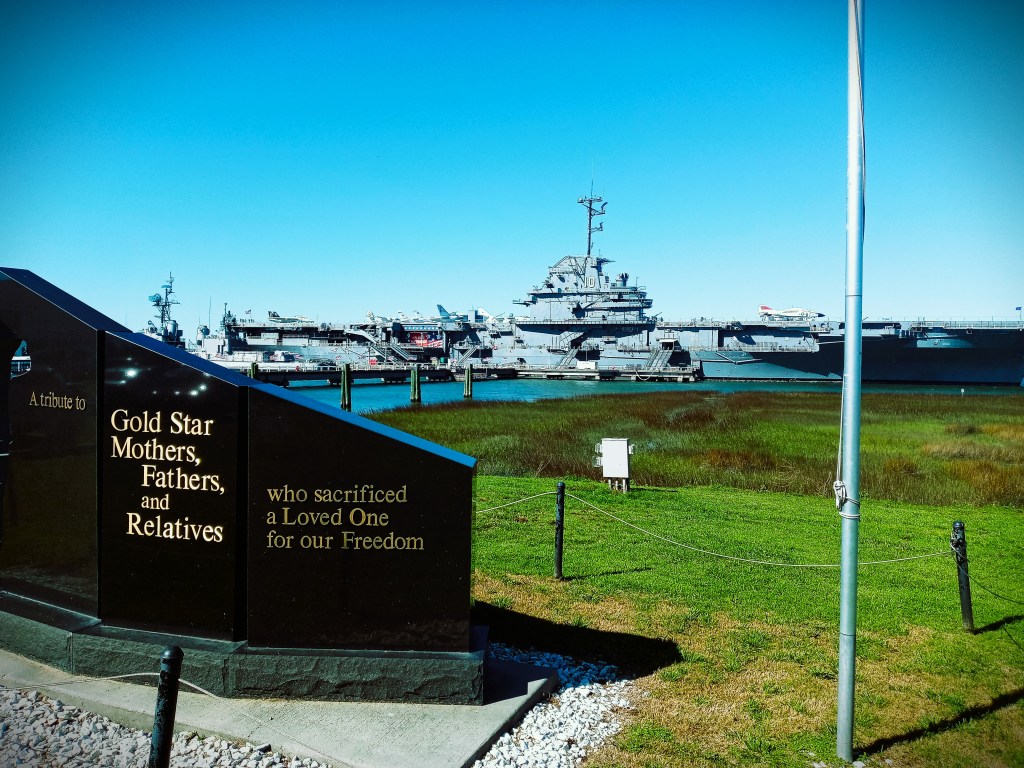
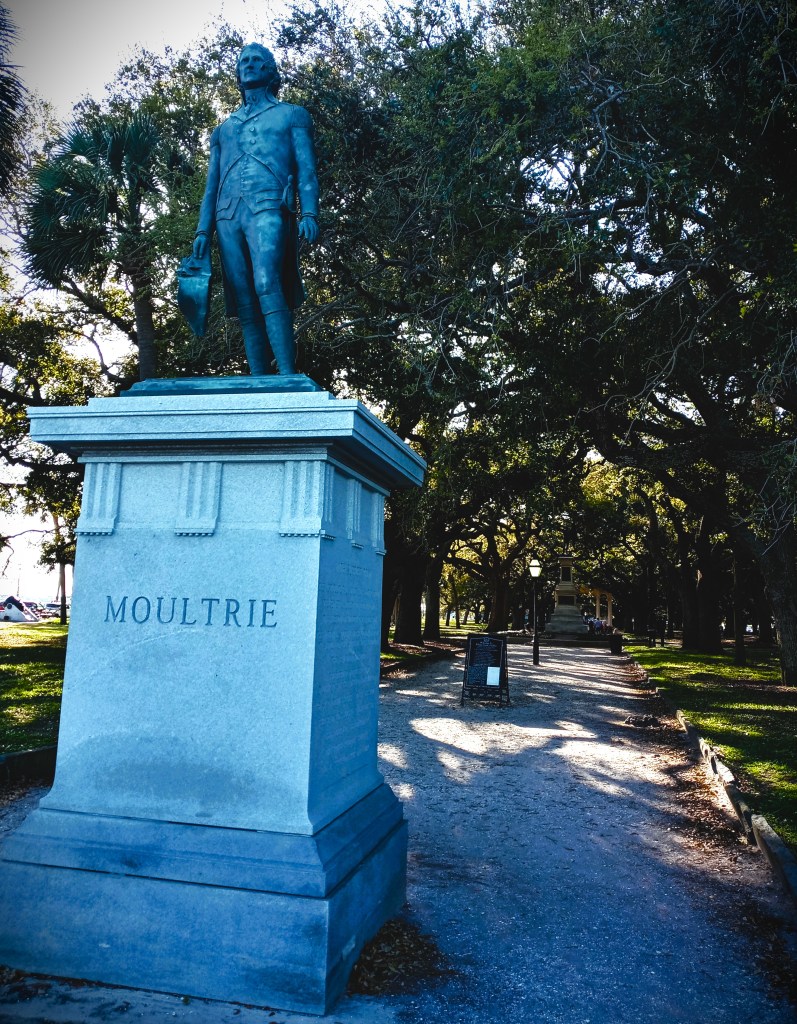
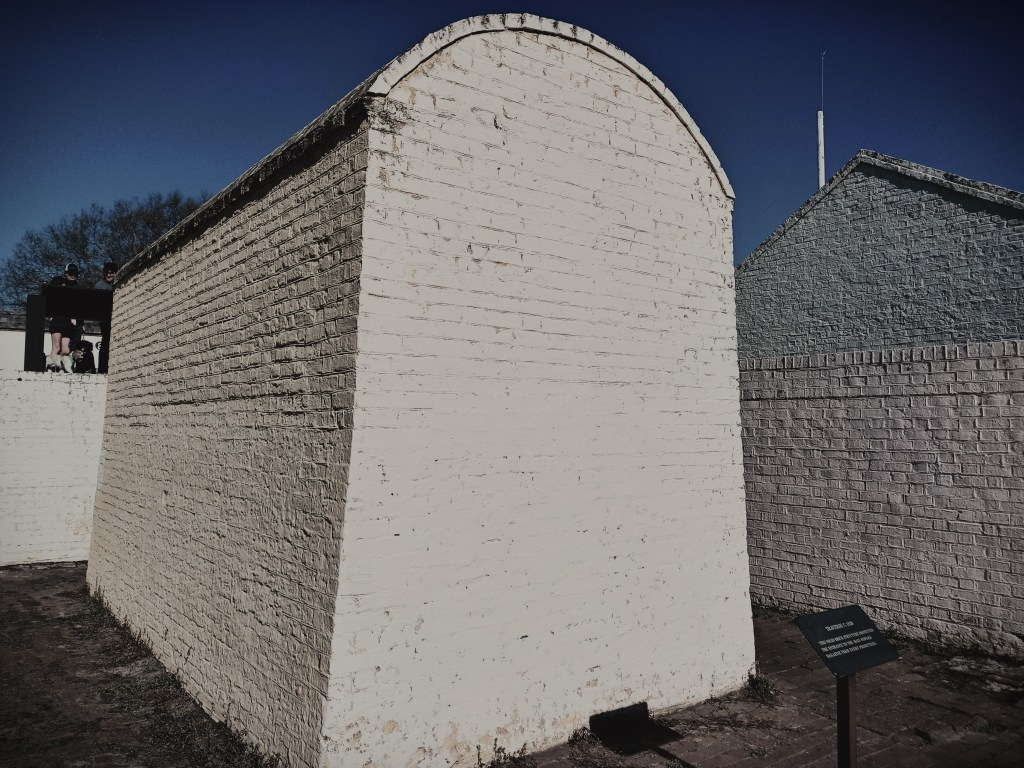
As one of the oldest cities in the United States, the military heritage of Charleston is probably underrated. During the Revolutionary War, South Carolina, New Jersey, and New York saw the most military engagements of any of the colonies (each witnessing over 200 military engagements apiece). A historic marker in Marion Square still pays homage to the 1780 Siege of Charleston resulting in the largest U.S. military surrender prior to the Civil War. Moving forward to the Second War of Independence (the War of 1812), Fort Moultrie would defend the city during the British naval blockade. Almost 50 years later, Moultrie’s sister installation, Fort Sumter, would become the flashpoint of the Civil War. Then again in WWI and WWII, both of these fortifications would again see combat operations as anti-aircraft and anti-submarine positions to protect the Port of Charleston. Visitors can still visit these installations at the National Park Service administered site. For more current affairs, head to Patriot’s Point and tour the Aircraft Carrier the USS Yorktown – the 10th aircraft carrier in the U.S. Navy and named in honor of the USS Yorktown that was sunk at the Battle of Midway. The USS Yorktown would see combat in WWII, Korea, and Vietnam as well as serving as one of the recovery vessels for the crew of the Apollo 8. Today, Charleston continues its military legacy as the home of Joint Base Charleston which serves as a major Air Force air transport hub and previously as a load out point for all Atlantic Fleet nuclear ballistic submarines.
3.) Get Smart at Charleston’s Universities
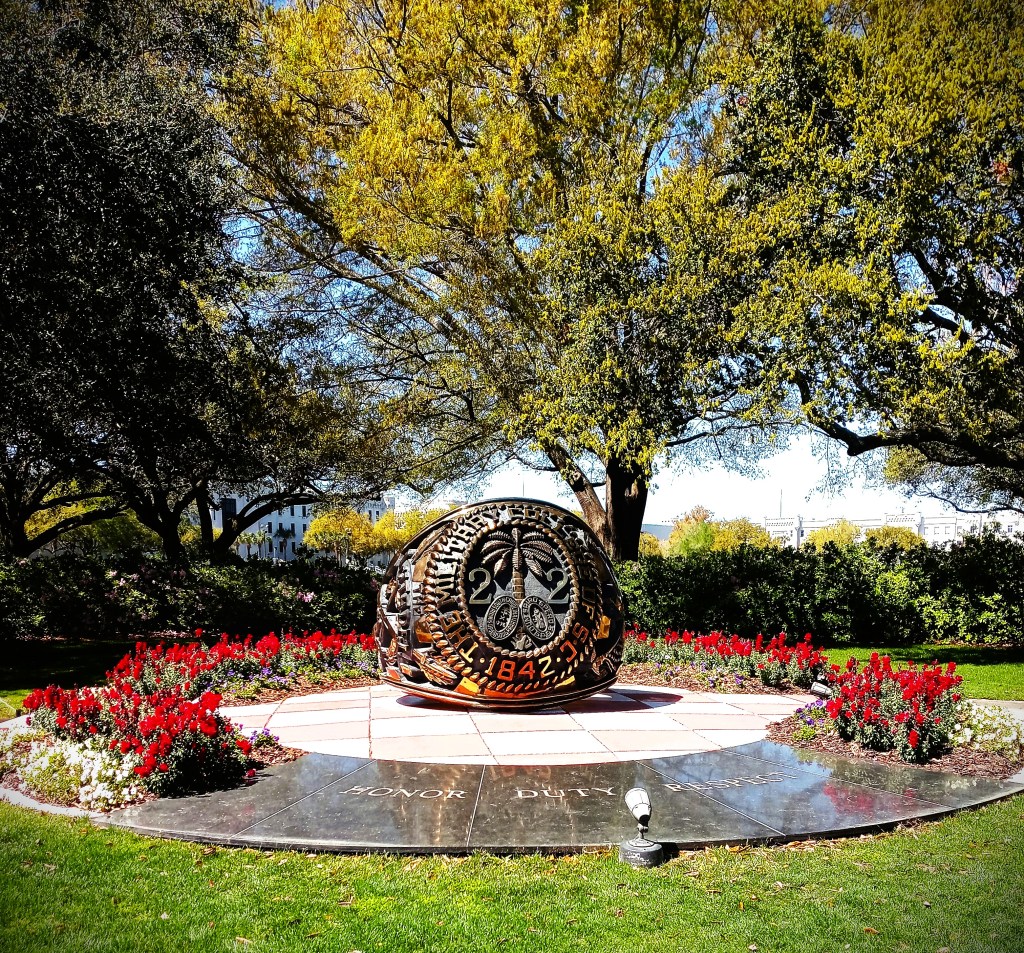
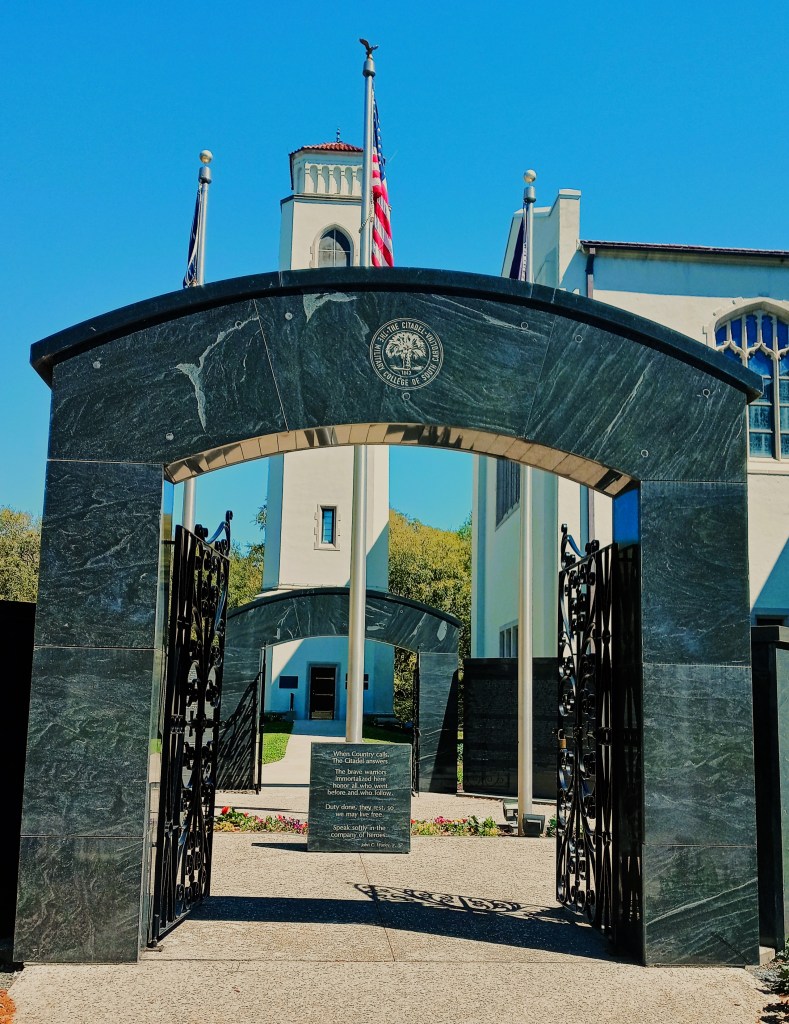
For a final dose of history on a more leisurely scale, head to Charleston’s two most famous campuses. For the military finale, head to one of the six U.S. senior military colleges at The Citadel. Founded in 1842 initially in response to the slave revolt of Denmark Vesey in Charleston, Citadel cadets would go on to fire the first shots of the Civil War and subsequently participate in at least 9 military engagements during the conflict. The Citadel would receive additional negative publicity in 1983 with the production of the movie “The Lords of Discipline” highlighting many of the more brutal forms of hazing. With that being said, the Citadel’s reputation as a premier institute for the development of future military officers is unchallenged, and visitors can view a variety of monuments, military aircraft & vehicles, as well as the grave of 4-star General Mark Clark. Moving to a more traditional college campus, head south to South Carolina’s oldest (and the U.S.’s 15th oldest) college: the 1770 College of Charleston. Selected in 2017 as the U.S’s most beautiful college campus, the college is absolutely worth a visit to see its array of pre-antebellum buildings and Spanish Moss covered paths. Visiting the campus is also an easy endeavor as it is immediately adjacent to downtown Charleston’s wide array of restaurants, bars, and entertainment locations.
4.) Meander Through the Many Parks and Streets
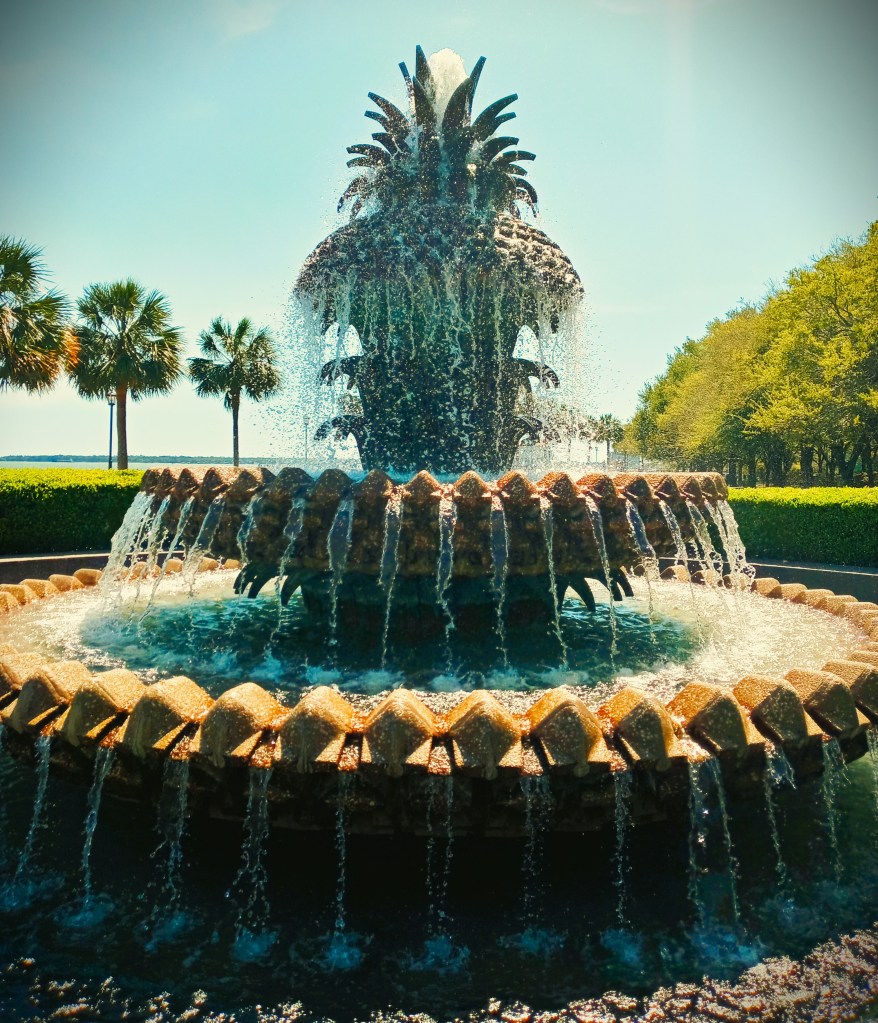
While my pictures will never do the city justice, Charleston is routinely ranked as one of America’s most beautiful cities. Whether its the College of Charleston’s Rivers Green hosting Spoleto Festival events; the Charleston Beer Festival at Riverfront Park; or the Farmers Market and Wine & Food Festival at Marion Square, the events are endless. For a casual stroll, visitors can view the pineapple fountain and children splash fountain at Waterfront Park or head to The Battery Promenade for exquisite views of Charleston Harbor and Fort Sumter. With a plethora of historic mansions and plantations, Charleston’s photogenic opportunities are immense highlighted by Charleston’s most visited plantation at Magnolia Plantation, the U.S.’s oldest unrestored plantation house at Drayton Hall, and the Instagram worthy staircase at the Nathaniel Russel House. To fully appreciate Charleston’s moniker as “The Holy City”, check out the litany of historic churches including the 1681 Circular Congregational Church, the 1749 Jewish Kahal Kadosh Beth Elohim Synagogue, and the 1789 St. Mary of the Annunciation Catholic Church. In short, one will not be found wanting for places to visit and see within the city.

5.) Exploring the South Carolina Low Country
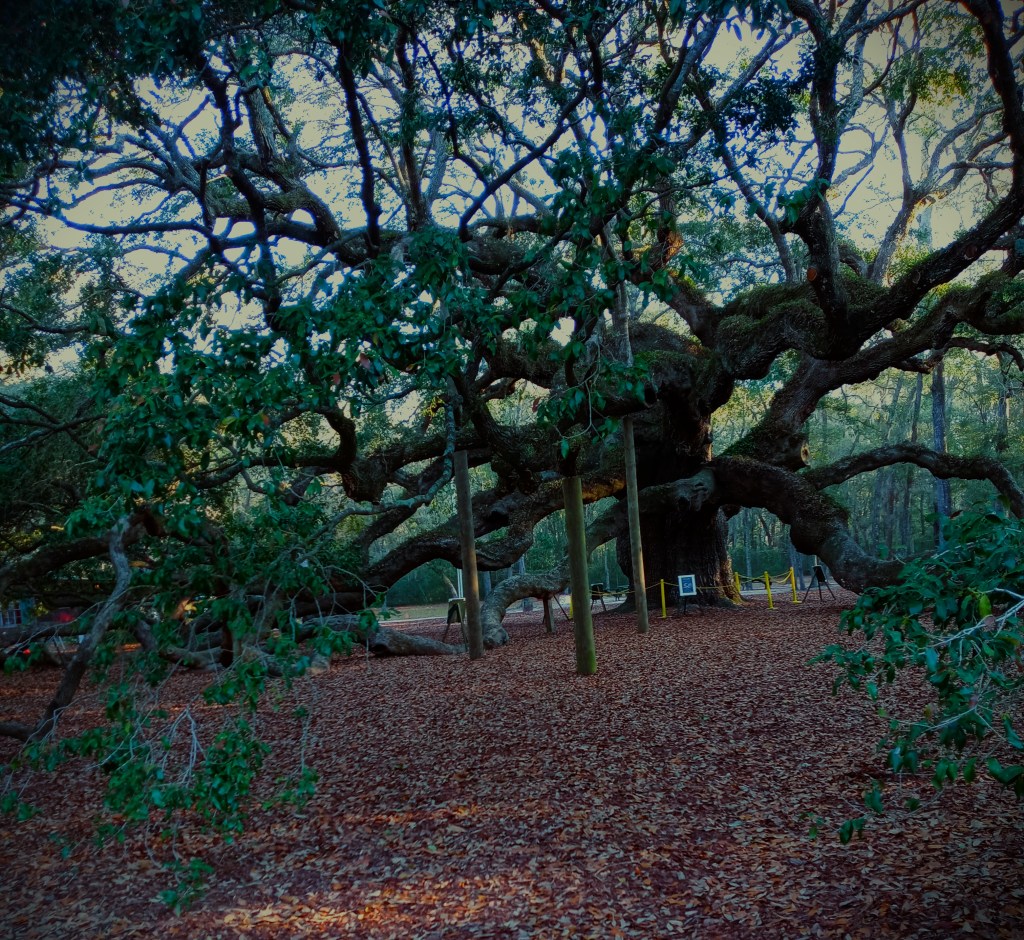
If exploring further afield, there are several noteworthy locations. Only 12 miles west of downtown is hidden one of the oldest and largest Southern Live Oaks in the country – Angel Oak – reminiscent of California’s Giant Sequoias. About an hour north of Charleston is the state’s third oldest city Georgetown which is also believed to be the location of the first European settlement in the Continental United States: San Miguel de Gualdape. If one desires to head 2 hours north to the state capital of Columbia, be sure to stop by South Carolina’s only national park at Congaree National Park with its earie swamps and wildlife fauna. For beach lovers, head either 2 hours north to Myrtle Beach or 2 hours south to Hilton Head to satisfy your white sand and sun bathing needs. While a week or more in Charleston may not be enough to fully experience all that the city and surrounding areas have to offer, the trip is sure to not disappoint.
Charleston Location
Charleston, South Carolina:
– 95 miles Southwest of Myrtle Beach, SC (2 hours 15 minutes)
– 107 miles Northeast of Savannah, GA (2 hours)
– 115 miles Southeast of Columbia, SC (2 hours)
 Dropping the Duece
Leave a comment