

Growing up in Georgia, Arkansas was simply a name listed fourth on an alphabetical listing of states. A state of no more notoriety than differences in pronunciation with Kansas. While road tripping through the center of the country in August 2022, I made a pitstop to explore its capital and largest city: Little Rock. The city’s name is derived for a small rock outcropping still present on the nation’s sixth largest river: the Arkansas River which interestingly enough is pronounced as “Ar-kan-zes” in the state of Kansas but as “Ar-ken-saw” by everyone else. Selected as the territorial/state capital in 1821, Little Rock is the longest serving state capital west of the Mississippi. Rising to some level of prominence due to slave-labor intensive cotton production in the 1850s, the economic health of the state was devastated after the Civil War and remained depressed for almost a century. WWII helped revitalize the state to some extent, and now is home to world’s largest company (Walmart) in Bentonville, AR. While Little Rock can still feel somewhat “run down” and “tired” (as a friend so eloquently put it), hidden gems do exist if one knows where to look.
1.) Arkansas’ Only State Capital
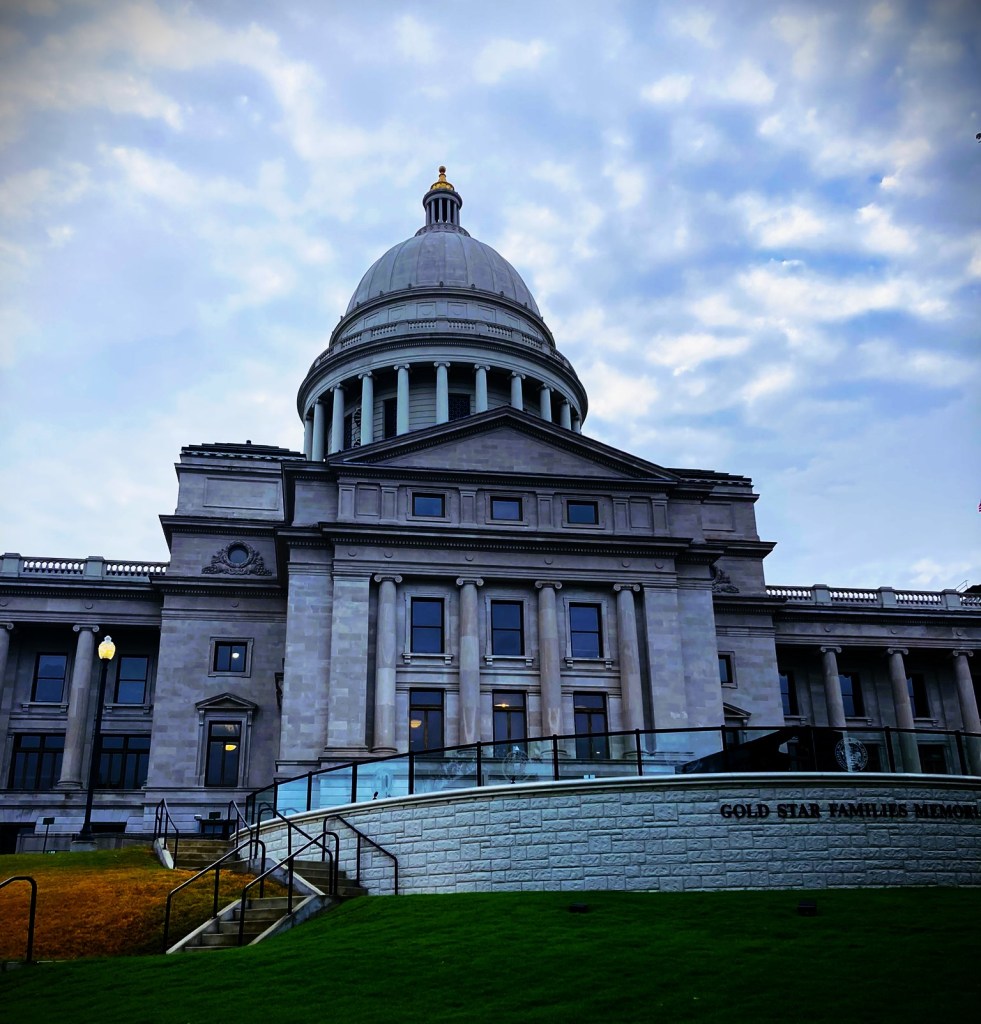
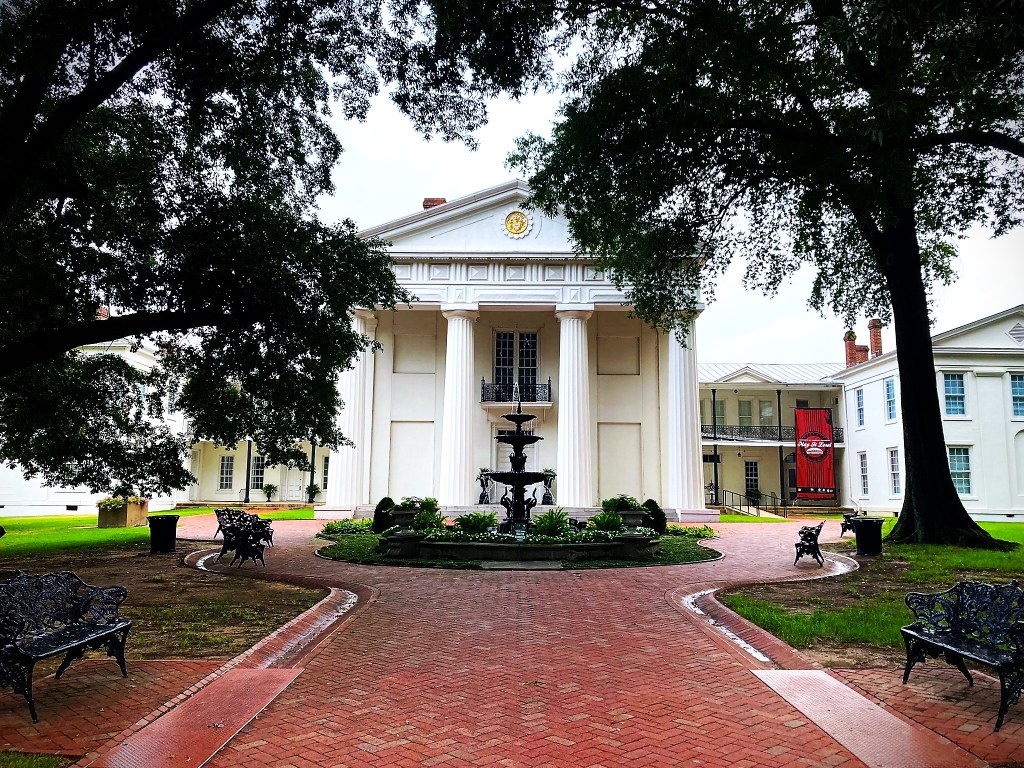
While many states (including Georgia) have had several cities share the title of state capital, Little Rock has been Arkansas’ only seat of government. Since its territorial foundations, Little Rock was the battle ground for Arkansas’ two rival regions: the historically wealthy slave-holding plantation owners of the Southeast Delta region and the previously less affluent subsistence farming regions of the Northwest Highlands. Holding a strategic position on the western edge of the Mississippi River, the state’s significance rose to prominence in the Civil War. While the state originally voted against succession from the Union, it eventually joined the Confederacy after President Lincoln ordered the state to send troops to put down the insurrection in fellow slave-holding South Carolina in May 1861. Faced with a depressed economy and racial violence in the years following Reconstruction, Arkansas would struggle to modernize its economic sector for the next 80 years eventually diversifying away from agricultural dominant industries with numerous WWII production facilities. Visitors to Little Rock can witness this 19th century legacy at the Old State Capital building – the oldest surviving state capital building west of the Mississippi. Move into the modern age by heading to the current capital building (often used as a filming location stand-in for the U.S. Capitol Building) for a free tour and learn about the state’s more recent history in national desegregation efforts, Governor Clinton’s role in the state’s development, and former Senator Fulbright’s foreign policy expertise.
2.) Racial Conflict
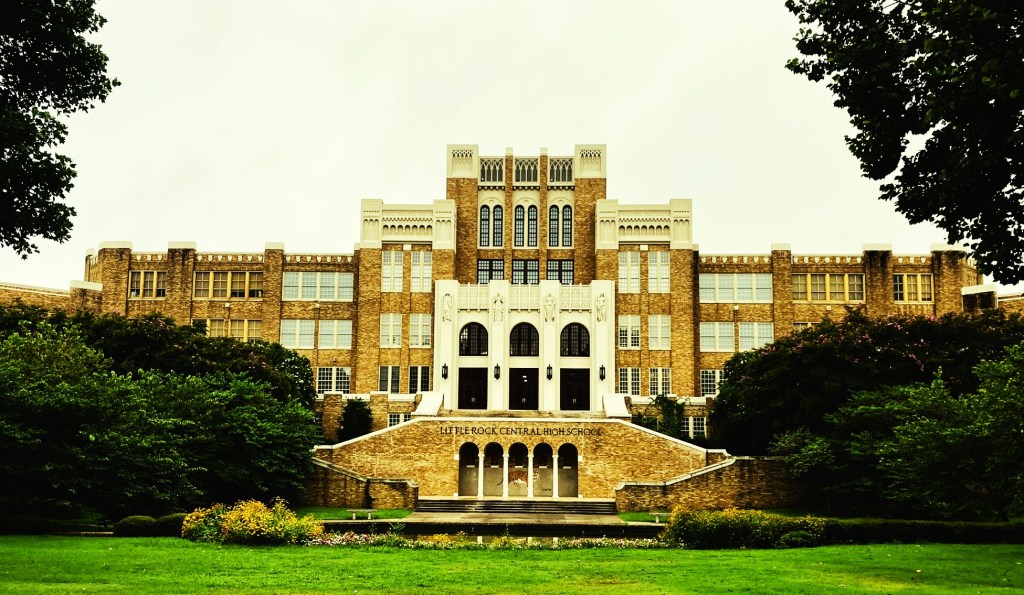
Like much of the Southern United States, Arkansas’s history cannot be divorced from racial divisions throughout the state. From the Civil War of the 1860s, to the 1919 Elaine Race Riots requiring the deployment of Federal Troops, to the Civil Rights movements of the 1950s and 1960s, Arkansas has had its share of racial conflict. No where is this more evident than the 1957 site of The Little Rock Nine entrance into Little Rock Central High School. After the 1954 Supreme Court decision in Brown v. Board of Education that “separate but equal” schools were unconstitutional, school districts across the country were forced to find solutions toward integration. Little Rock became the most public challenge to this decision. Due to the immense unpopularity of the Supreme Court decision throughout Arkansas, the governor called up the Arkansas National Guard to prevent nine African American students from enrolling in Little Rock’s Central High School. President Eisenhower was forced to deploy soldiers from the 101st Airborne Division and federalizing the Arkansas National Guard to force the Governor to abide by the Supreme Court’s decision. While still operating today as an academic institution, visitors can now relive this historical event by visiting the National Park Service administered site in the center of Little Rock. They can then wander the State Capitol grounds to view a variety of monuments including “The Little Rock Nine” Memorial, “Fallen Firefighters Memorial”, and the controversial “10 Commandments Monument”.

3.) Famous Residents

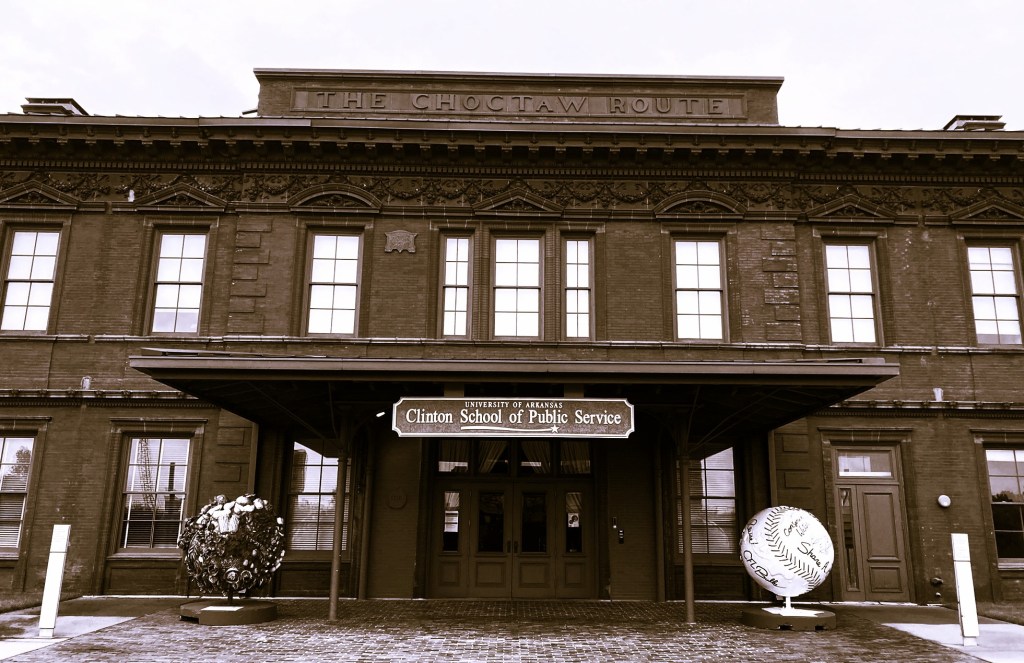
After gaining an appreciation of the state’s history, visitors should take in some of Arkansas’ more famous residents including Cowboys-owner Jerry Jones, Actor Billy Bob Thornton, Singer Johnny Cash, and Basketball player Scottie Pippen. First is a mandatory visit to its best known progeny: President Bill Clinton. At the age of 32, Clinton became one of the nations youngest governors and eventually served 12 years in the position which served as a launching pad to the presidency in 1993. While Clinton was dogged by controversies as Arkansas governor (the Whitewater Controversy) and as President (the Monica Lewinsky Scandal), he is also known for peace initiatives between the Israelis and Palestinians (Camp David Summit), Irish Republican Army and United Kingdom (Northern Ireland Peace Process), and warring factions in the former Yugoslavia (Dayton Accords). Stop by the Clinton Presidential Library to learn more about his life and Presidency as well as view full scale replicas of the White House’s Oval Office and Cabinet Room.
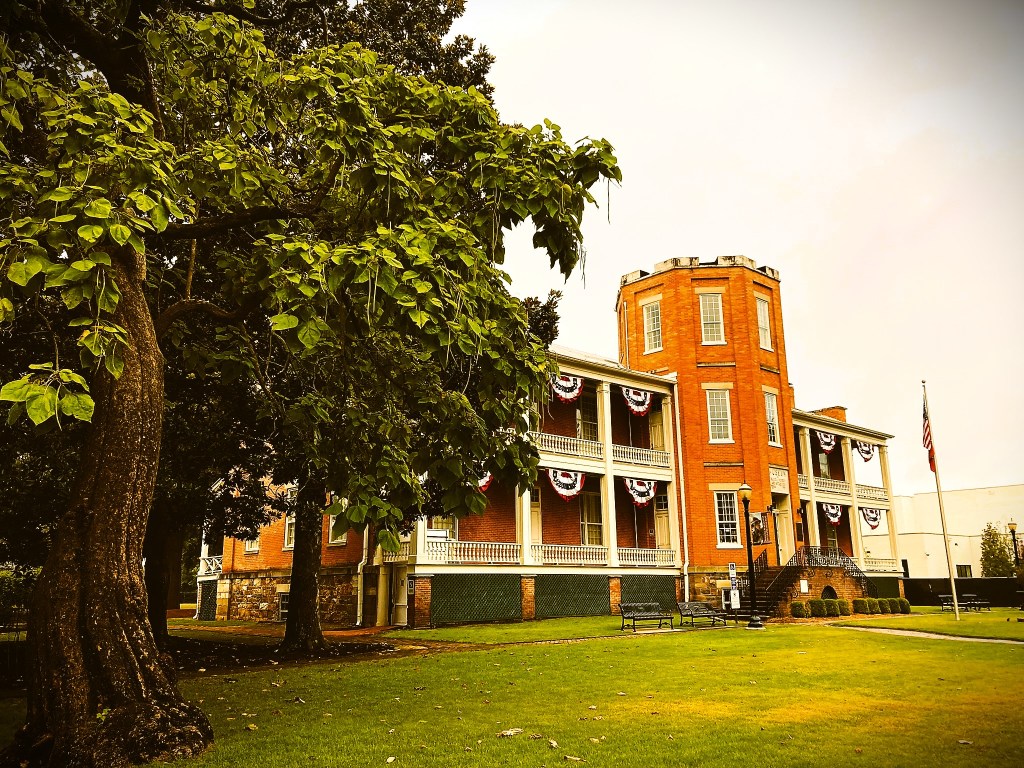
For the military enthusiasts, the birthplace of one of the nation’s most famous military leaders is mandatory. General Douglas MacArthur was one of only nine individuals to hold the rank of 5 star general/admiral and was known for his commands in WWII’s Pacific theater and the Korean War. While controversial in his own right, MacArthur’s legacy and fame arose from his West Point lineage and modernization efforts, his World War I rise to Brigade General only 16 years after graduation, and his World War II Medal of Honor heroics in the Philippines. While his insubordination to President Truman and advocation of nuclear weapons in the Korean War tarnished part of his legacy, he remains one of the most interesting U.S. military figures. A visit to his birthplace at The Tower Building of the Little Rock Arsenal can provide a better appreciation for this luminary figure.
4.) Riverfront District
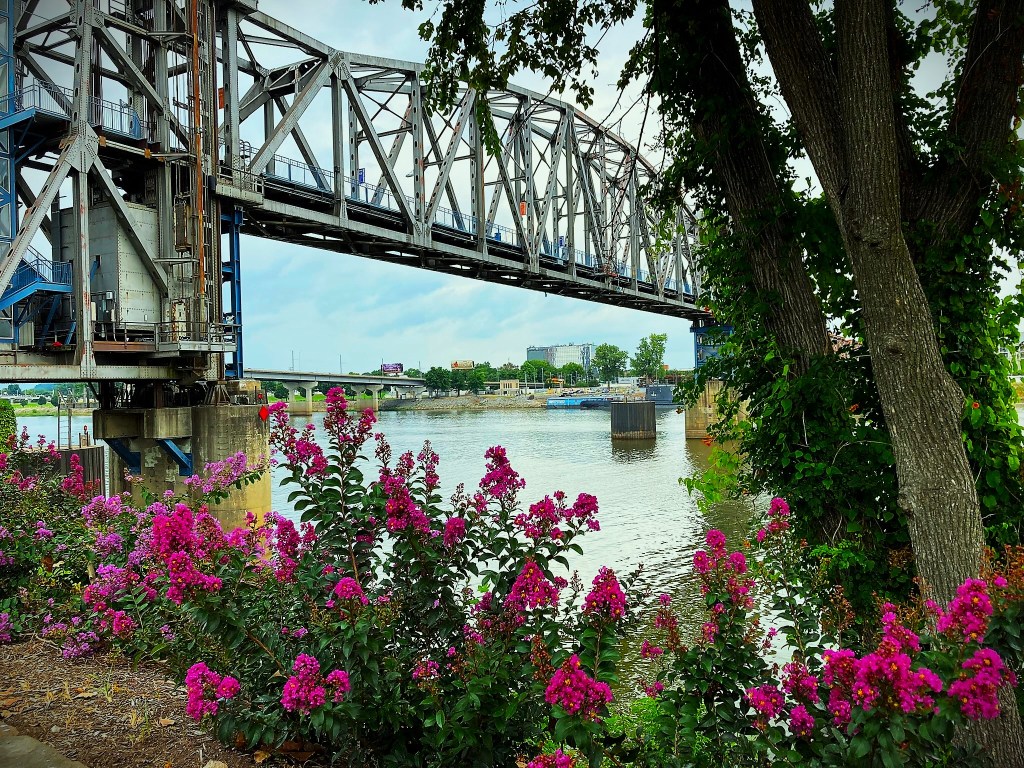
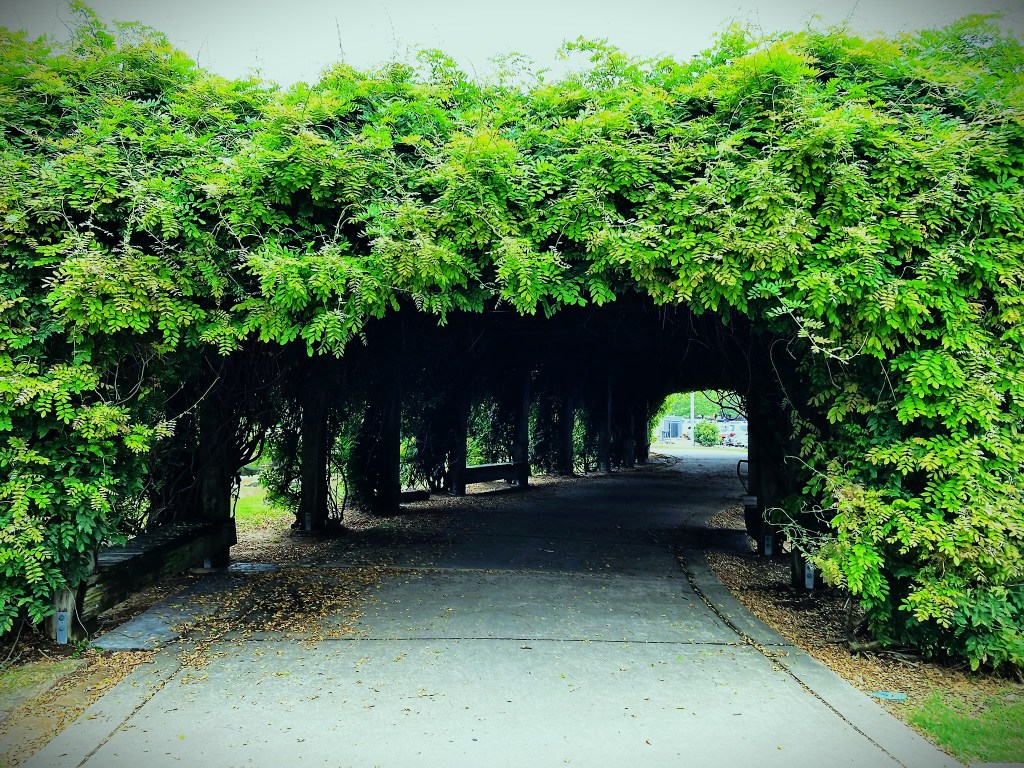
After being inundated with history, one should seek some solitude and enjoy the peace and serenity the city has to offer. The popular Pinnacle Mountain State Park with its 22 miles of trails is only 20 minutes from downtown Little Rock, but even closer to the downtown is the premier Little Rock entertainment district: River Market District. The 33 acre Riverfront Park runs next to the Arkansas River between the Old State Capitol building and Clinton Presidential Library and includes a sculpture garden, splash park, and access to a pedestrian bridge across the River. After walking along the 17 mile Arkansas River Trail, head over to the adjacent 11 block district with a variety of coffee shops, restaurants, breweries, and weekly farmer’s market. One can also attend special events and concerts at the amphitheater located on the north side of the market overlooking the river.
5.) Additional Attractions
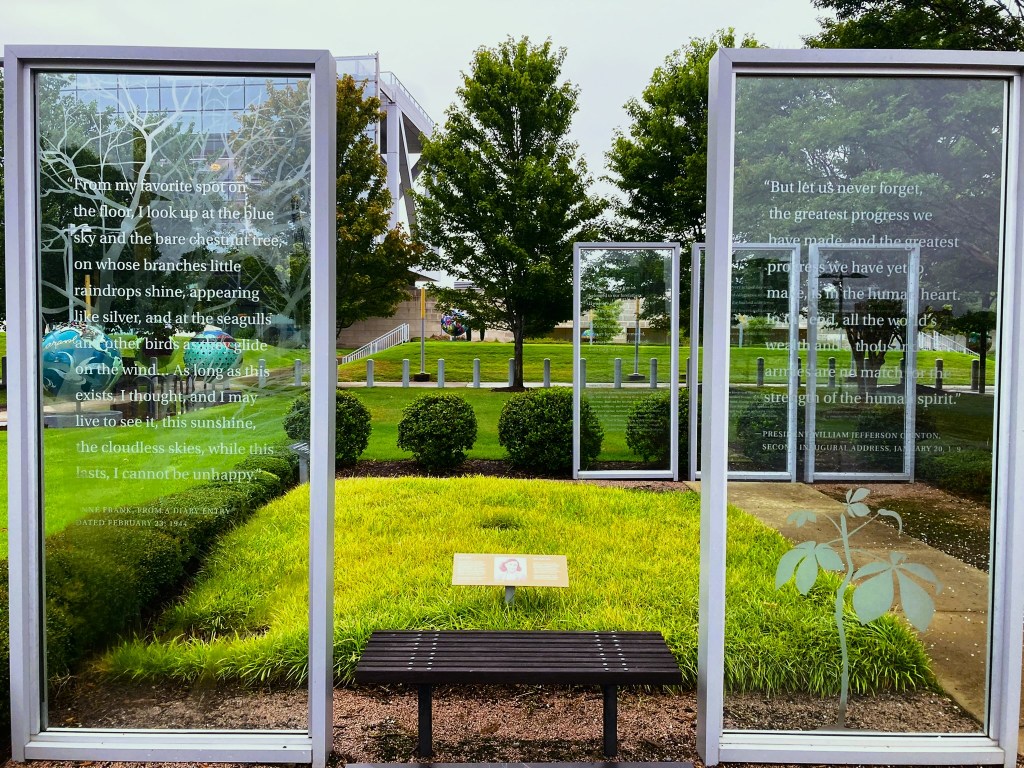
If spending extra time in Little Rock, there are a variety of other places to see in Little Rock. For kids, the city offers the Museum of Discovery, the Little Rock Zoo, and Burns Park Funland. For the theater and arts enthusiasts, one can visit the Esse Purse Museum, the Arkansas Symphony Orchestra, and the Arkansas Arts Center. For day trips from the city, one can drive an hour to Arkansas’s only National Park in Hot Springs, search for diamonds 2 hours away in Crater of Diamonds State Park, or visit one of the most beautiful churches in the United States at Thorncrown Chapel 3.5 hours away. Even within the city, there are a few unique destinations including a sapling of the tree that stood outside of Anne Frank’s home or the World Cheese Dip Championship. From simply a spot on a map in the vastness of the Central USA, Arkansas and Little Rock offer more than meets the eye.
Little Rock Location
Little Rock, Arkansas:
– 55 miles Northeast of Hot Springs, AR (1 hour)
– 140 miles West of Memphis (2 hours)
– 190 miles Southeast of Fayetteville, AR (2 hours 45 minutes)
– 320 miles Northeast of Dallas (4.5 hours)
 Dropping the Duece
Leave a comment