
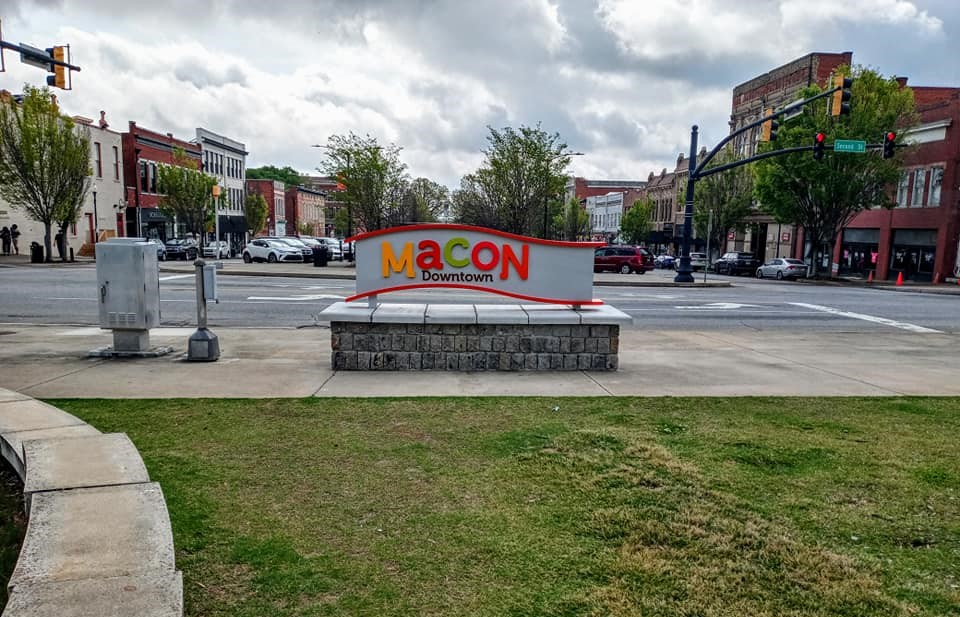
A little over an hour and a half directly south of Atlanta lies Georgia’s fourth largest city: Macon. Little Richard and his 1955 “Tutti Frutti“, the Allman Brothers and their 1973 top hit “Ramblin’ Man“, and current country music star Jason Aldean all had their beginnings in this musical heart land. While even Georgia residents rarely visit the city (outside of a rest stop on their way to more popular destinations in Savannah or Florida), Macon’s easygoing atmosphere and welcoming charm give visitors a more traditional “Southern Hospitality” experience than its Bigger Sister Atlanta. From exploring the ancestral homeland of the Creek Native Americans to visiting the first woman’s college in the world (Wesleyan College), the city is worth a longer visit than the time to fill up one’s gas tank. This post will highlight five items of interest from me and my Dad’s day trip to Macon in March 2021.
1.) Witness the International Cherry Blossom Festival
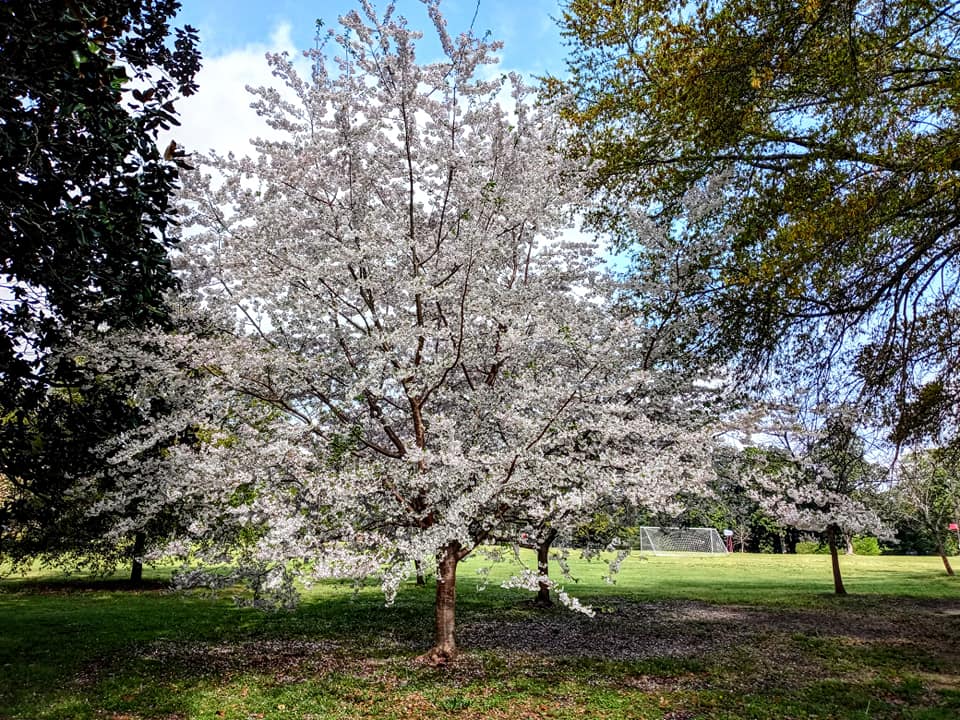
(In Comparison, Washington D.C. has less than 4,000)
Late March is the ideal time to visit Macon when the city is inundated with pink and white petals decorating the cherry trees that outnumber residents two times over. For 10 days, the self proclaimed Cherry Blossom Capitol of the world hosts concerts & carnivals, parades & pageants, pancake breakfasts & lantern tours. 35 years after Washington D.C.’s first tree, William Fickling planted his first Yoshino Cherry Tree in 1949. He would go on to donate 30,000 trees to the city for its first festival in 1982 which has grown to dwarf Washington D.C.’s National Cherry Blossom Festival by a factor of 100. Be sure to check out the pink water fountains, painted cherry blossom streets, and (of course) the eponymic arbor groves. [Tip: Try to plan your visit before any stormy conditions as the high winds can knock away many of the tree’s petals].
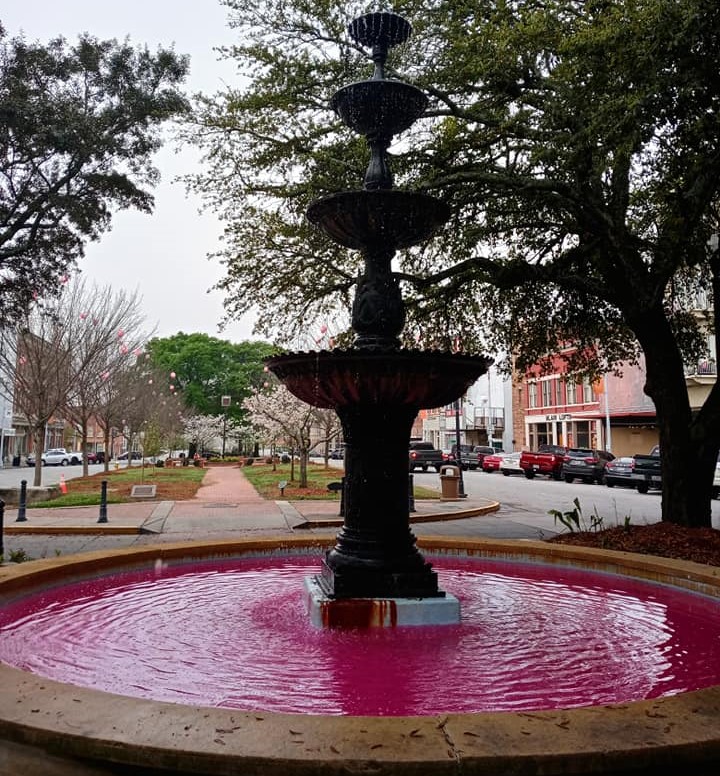
Note the bare cherry blossoms to the left due to the storms the day before.
2.) Explore Macon’s Early History on Foot
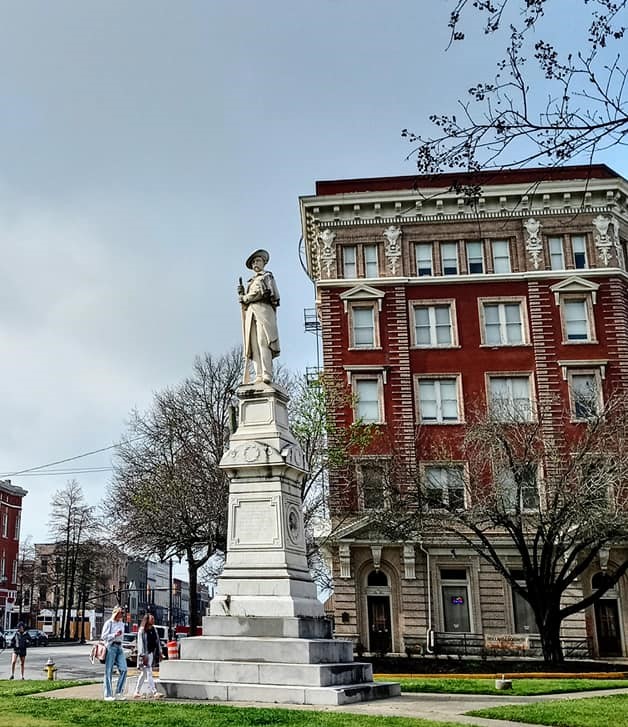
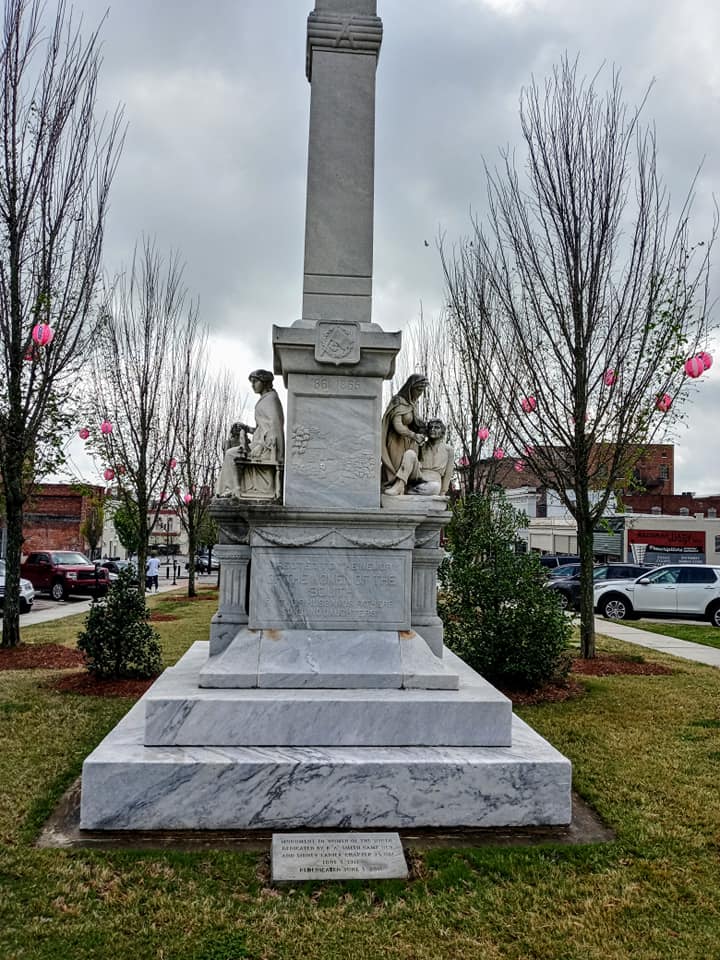
While viewing the beautiful trees, one is transported to the city’s roots as an outpost on the former American frontier. Originating as the U.S. Army Ft. Hawkins in 1806 on the fall line of the Ocmulgee River, the fort played a major role in American relations with the Creek people as well as a significant logistical hub during the War of 1812. Visitors can now visit the reconstructed fort located a mile north of the river. From these humble beginnings, Macon grew with its burgeoning cotton industry as evidenced by numerous pristine antebellum houses highlighted by the Hay House’s “Palace of the South“. Although General Sherman largely bypassed Macon on his March to the Sea, Macon served as a critical arms manufacturer for the confederacy and several former monuments commemorate the Civil War costs to the city. After the war, Macon’s economy plummeted. Significant growth eventually resumed with new military installations constructed during WWI and WWII culminating with the establishment of Robins Air Force Base in 1941. Visitors can now visit the U.S. Air Force’s second largest museum and the DoD’s fourth most visited museum at the installation: The Museum of Aviation.
3.) Visit Georgia’s Fourth University:
Mercer University
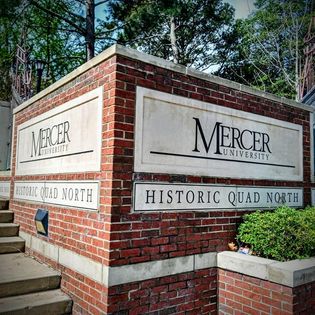
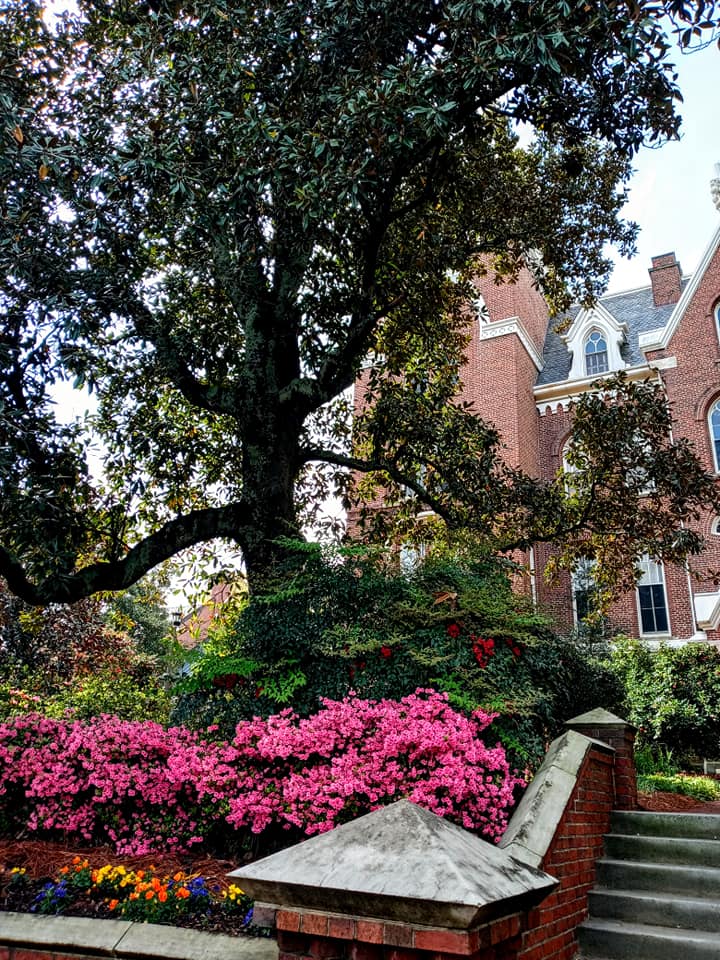
With this historical and musical foundation established, visitors can head a mile south to the scholastic home of Macon. After Emory, GT, and UGA, Mercer University is considered the fourth best university in the state. Established in 1833 by the Georgia Baptist Convention in Penfield, Georgia, it was Georgia’s only university to remain open for the duration the Civil War. In 1871 given the Penfield’s remote location, Macon was chosen over Atlanta as the University’s new home. The university is now composed of 12 colleges across four campuses in Macon, Atlanta, Savannah, and Columbus. Ranked as one of the countries most beautiful college campuses, Mercer is worth a picturesque stroll to take in its historic buildings and unwind in its relaxing Tattnall Park.
4.) Learn the Story of its Churches
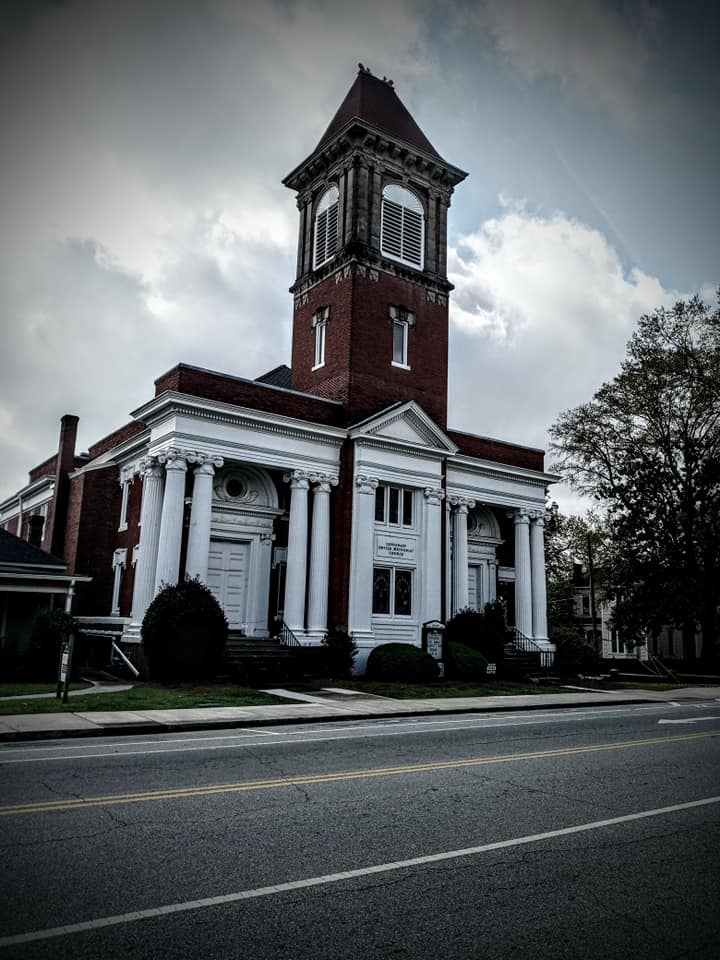
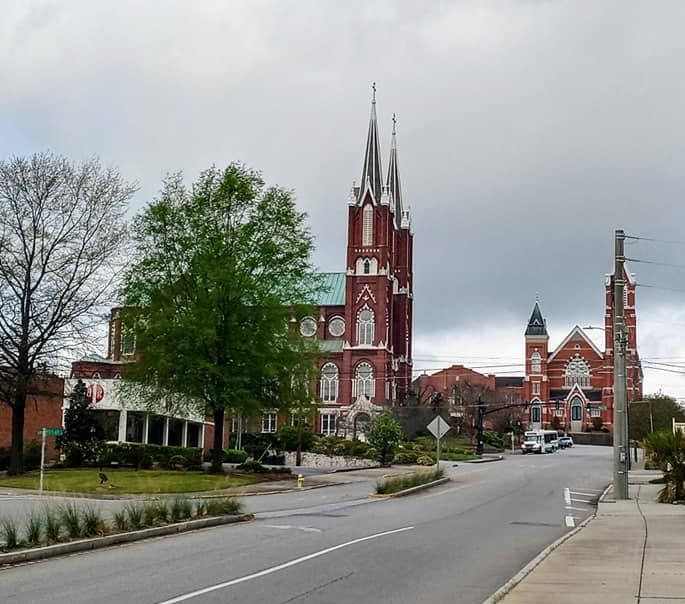
While the New Georgia Encyclopedia claims that Macon has the most churches per capita in the American South, Macon only ranks fourth in Georgia based on this metric. With that being said, the story of these 250 churches parallels the history of the city itself. With Macon’s incorporation in 1822, the Episcopal Christ Church became the city’s first spiritual home only three years later. While the deep south’s Bible Belt reputation is often associated with overwhelmingly Protestant congregations, antebellum Macon bucked this trend with a diverse immigrant community being attracted by economic opportunity. The Irish Catholics established St. Joseph’s in 1841and Germans Jews created Temple Beth Israel in 1859. As to the racial divide which plagued the Southern United States, the story of Macon’s First Baptist Church is illuminating of how the city itself handled these issues. Founded in 1826 as a segregated white and black congregation, the church eventually bought a second property twenty years later to formally administer two racially segregated buildings. With the end of the Civil War in 1865, the two congregations officially separated. After several moves, the two buildings would eventually lie within shouting distance of one another. While the separate churches have no official plans to merge, the congregations have taken steps over the past five years now have shared community groups, potluck meals, and special services. Although Macon’s churches will never become the equivalent of Rome’s St. Peters Basilica or New York’s Trinity Church, the story they tell provides a glimpse into the heritage of the city.
5.) Get Out and About
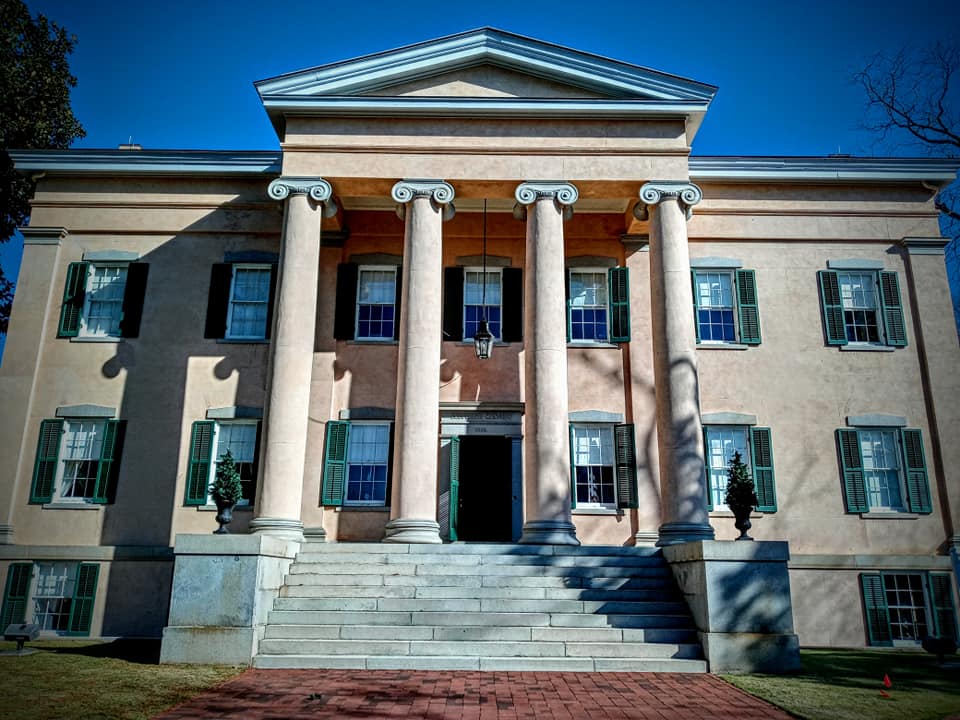
If one chooses to make Macon a vacation destination, visitors should not neglect other area points of interests. Located only 30 miles north, the small town of Milledgeville served as Georgia’s second longest tenured state capital from 1804 to 1868. Many historic sites in the town still bear witness to this history. The old capitol building where Georgia voted to secede from the Union remains as an imposing fortress in the middle of the Georgia Military College. Events such as the nation’s first gold rush in Dahlonega, the eviction of native americans along the Trail of Tears, and deliberations of Civil War era politics were considered in the old Governor’s mansion. If visiting Macon in October, visitors can head in the opposite direction to Perry, Georgia (30 minutes south). Here the Georgia National Fair is held annually at the State Fairgrounds. Finally for those who are continuing on other road trips, I would be remiss if I did not mention that the ultimate Texas-based Travel Center (Buc-ee’s). On I-75 just outside of Macon in Warner Robins, this gas station-Walmartesque-Disneyworld opened its first Georgia location and is guaranteed to have the largest, cleanest bathrooms you will find. In short while Atlanta will always maintain a monopoly on Georgia attractions and Savannah remains the epicenter of Georgia historic grandeur, don’t overlook Macon as a destination in its own right.

Macon Location
Macon, Georgia:
– 30 miles southwest of Milledgeville (~40 minutes)
– 85 miles south of Atlanta (~1.5 hours)
– 95 miles east of Columbus (~2 hours)
– 165 miles north west of Savannah (~2.5 hours)
 Dropping the Duece
Leave a comment