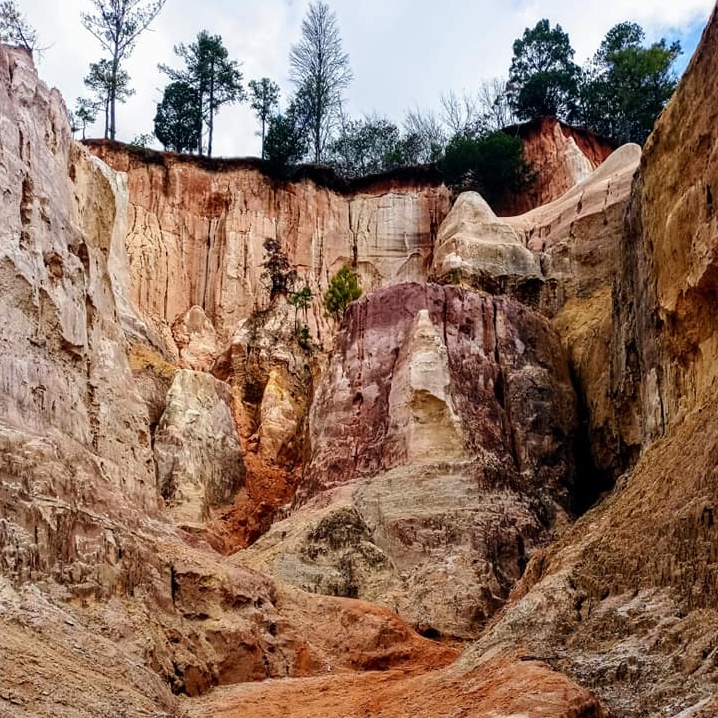
100 degrees of unrelenting heat emanating from the merciless sun; suffocating humidity trapped within dense pine groves; swarms of mosquitos and gnats emerging from poison ivy infested undergrowth. While South Georgia has much more to offer than this traditional view of hikes in this rural region, mountainous climbs and soaring canyons are rarely associated with it. In a remote state park just west of Lumpkin, Georgia is hidden one of Georgia’s seven natural wonders: The Little Grand Canyon. While it would never be confused with more famous hikes in Arizona, Utah, and Colorado, this little gem is reminiscent of its Western counterparts. Below are five interesting aspects of my trip to the park in January 2022.
1.) Canyon Formation
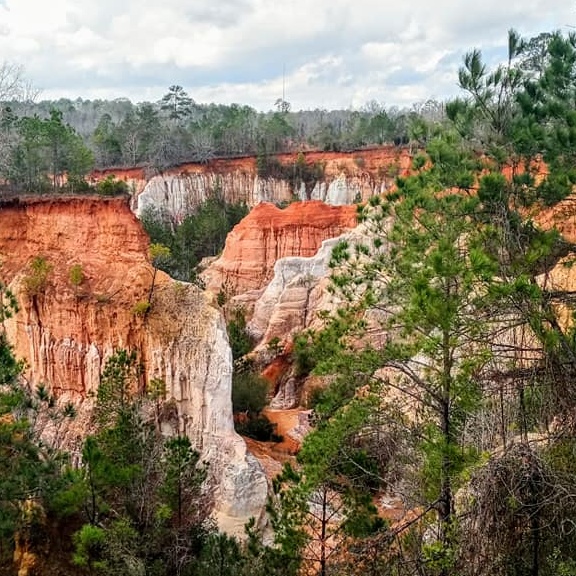
While the more famous sites in the Western United States were often the result of natural erosion (especially by rivers), Providence Canyon was the result of human ingenuity … or a lack thereof. In the early 1800s, farmers within the region cleared the land of trees and other vegetation with little regard for soil erosion management techniques. Over time rainwater runoff began to form which reached depths of 3-5 feet by 1850. While soil erosion continues with some of the canyons as deep as 150 feet, the state of Georgia has implemented certain restrictions to limit these effects. The eventual canyon was named for the adjacent Providence Methodist Church established in 1832 with the “newer” church building still standing since 1859 (a year prior to the Civil War).
2.) Hiking the Canyon Floor
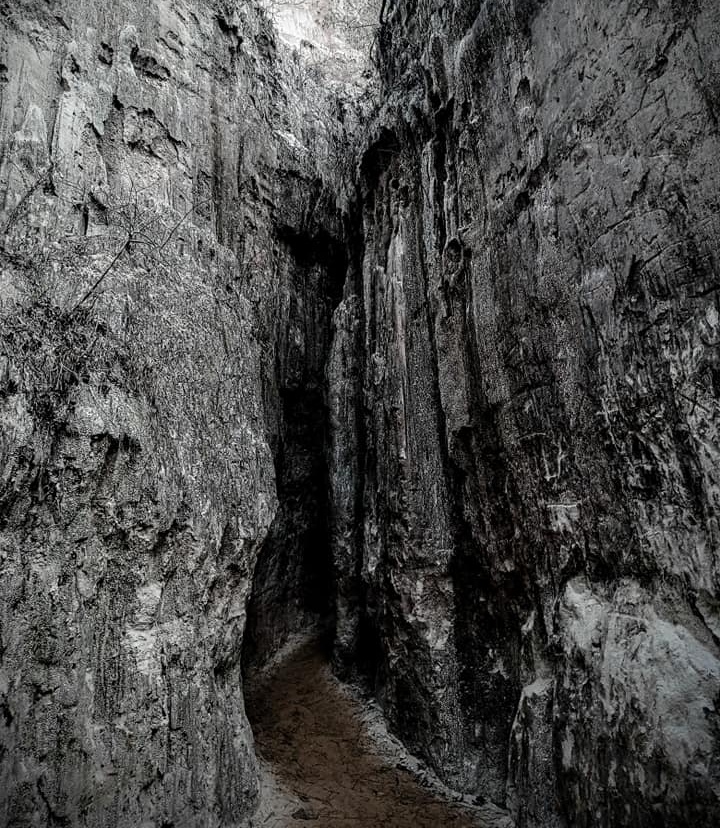
The park has two different trails. The Canyon Loop Trail within the canyon is approximately 2.5 miles if one visits all 9 of the accessible canyons, but can be shortened if only visiting the more photogenic canyons (Canyons 4 and 5). The hike from the Visitor’s Center to the Creek Bed is approximately 0.25 miles. While there is some signage, it can be somewhat confusing how to follow the trail. Word of advice, keep turning right after exiting each canyon in order to visit all nine of the canyons. Also important: Do not climb the canyon walls! This helps avoid additional erosion in order to preserve the park for future visitors.
3.) Careful with Your Shoes
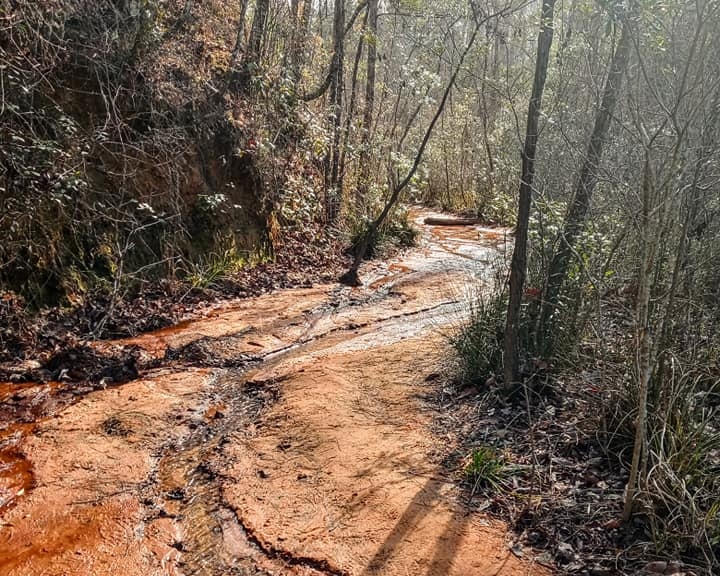
This aspect of hiking in the canyon was not as obvious to me from my research, but understanding the history of how the canyon formed should have provided a clue. When you hike inside the canyon, the trails follow small streams … the same streams which originally contributed to the erosion. This was actually a pretty cool experience literally walking through a stream as you explore the canyons; it also makes for a very picturesque hike. With that being said, one should still expect that their hiking shoes will get a little muddy. This would be particularly true if visiting the park immediately following a rainy period. I will note that the “mud” was not significant when I visited in January and was pretty easy to traverse as long as you pay a little attention where you are stepping. If I had a read a little more about the 9 miles of trails, I might not have been surprised by this aspect of the park.
4.) Hiking the Canyon Rim
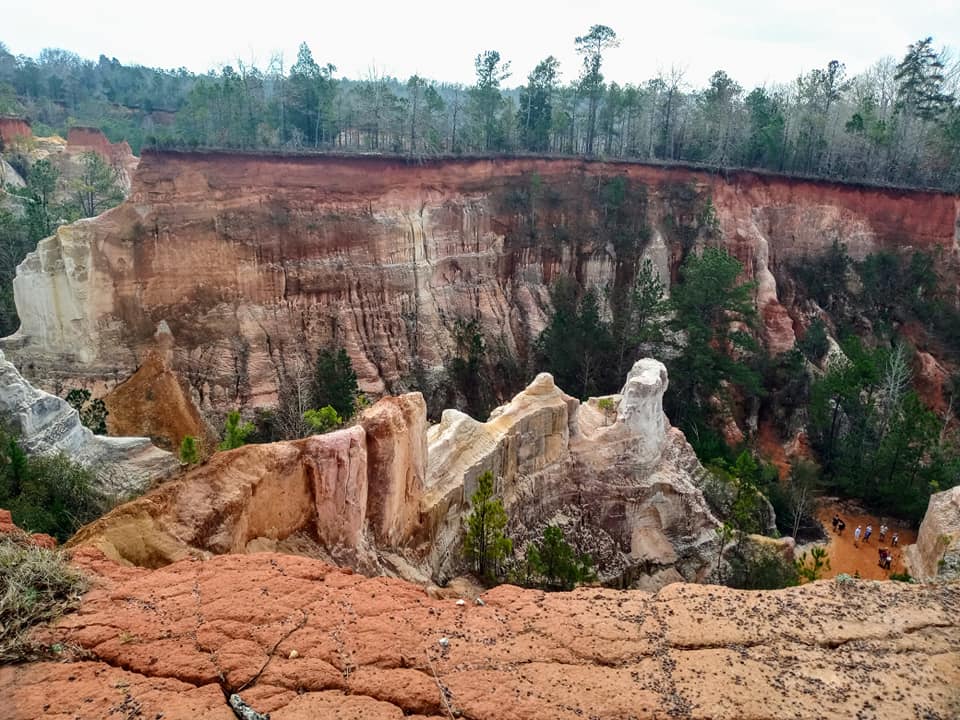
The Canyon Rim Trail is a portion of the 2.5 mile Canyon Loop Trail. For those seeking a longer hike, the trail intersects with the 7 mile Backcountry Trail which also has accessibility to backcountry camp sites for those looking for an overnight adventure. The Backcountry trail is slightly more rugged and also allows views into the other canyons which are inaccessible for hiking into. Beyond views of the canyon below, the Canyon Rim Trail also passes several rusting vehicles from the 1950s that were left by residents of a previous homestead.
5.) Other Impressive Local Attractions
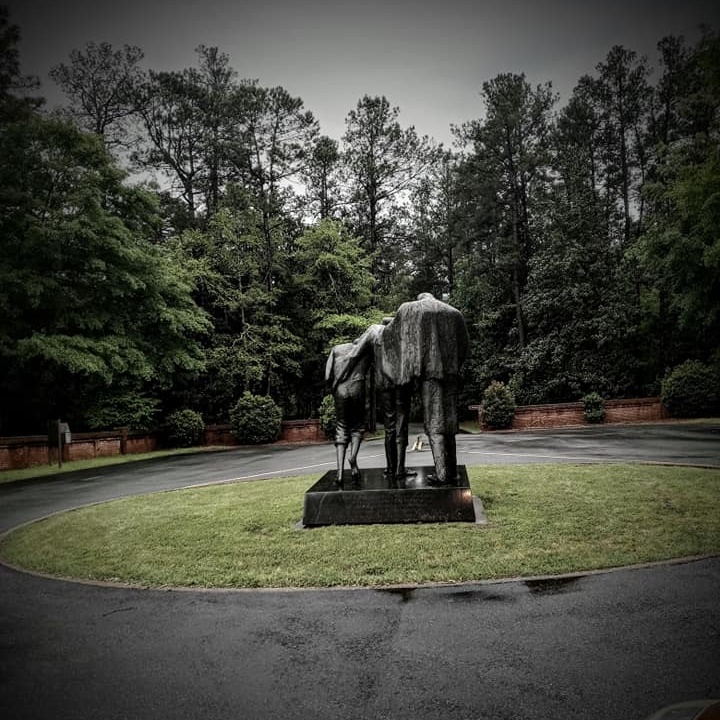
While I may do separate posts for the following sites, I fully realize that Providence Canyon is not necessarily a “local” attraction for most people especially if your point of entry to Georgia is Atlanta. With that being said, there are several interesting areas in this region. For those looking for a more somber experience, visiting the Andersonville National Historic Site (just outside of Americus) the location of probably the largest atrocity in the Civil War is a must visit. On the way to Americus, one can stop in Plains, Georgia where the National Park Service curates four different locations (including the childhood home) where President Jimmy Carter spent his formative years. When passing through Columbus, military buffs can visit the National Infantry Museum which received recognition as the 2017 10th best military museum in the world and 2016 best free museum in the country.
Providence Canyon Location
Providence Canyon in Lumpkin, GA:
– 40 miles south of Columbus (~50 minutes)
– 55 miles west of Andersonville/Americus (~1 hour)
– 150 miles south of Atlanta (~2.5 hours)
 Dropping the Duece
Leave a comment